Plautilla Bricci’s Birth of the Virgin, Rome

Plautilla Bricci Birth of the Virgin Restoration Project Sponsorship: $150,000 total budget; $60,000 raised to date, with $90,000 remaining to reach our goal. The project budget supports restoration, diagnostic analysis, documentation, scholarly research, media promotion, project management, and educational programming, including a scholarly Italian-English publication, documentary film, and public exhibition. We are thrilled to announce that $60,000 has already been raised, reflecting strong early support as we continue to secure the remaining funding. We would be tremendously grateful if you would consider making a donation toward the remaining $90,000 needed to complete this important restoration project.


PLAUTILLA BRICCI

First Architect and Painter of Rome
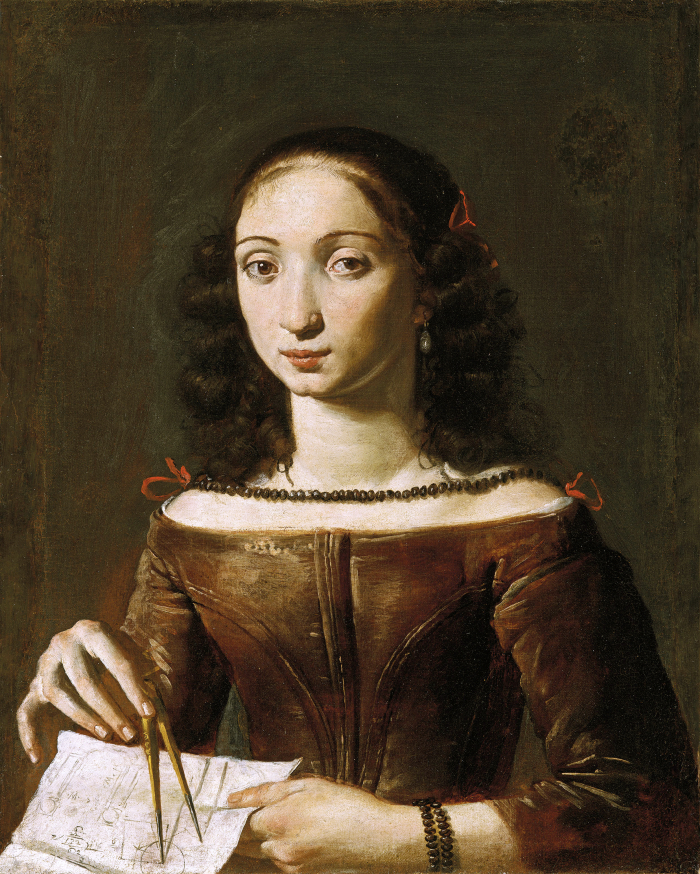
Portrait of an architect, Plautilla Bricci (?) (1655-1660). Private collection, Los Angeles.


  • INTRODUCTION

    In the Spring of 2026, Artemisia Gold, a non-profit organization dedicated to the restoration and advancement of masterworks by female artists, will undertake its next major initiative – the restoration of Plautilla Bricci’s monumental altarpiece Birth of the Virgin, located in the Church of Santa Maria in Campo Marzio in Rome.

    Hailed as the first female architect and painter of Rome, Plautilla Bricci was one of the most extraordinary figures of the 17th century. She stands out as a painter, architect, and polymath—often described as the only “universal” female artist of her time. According to Jane Adams, Founder and CEO of Artemisia Gold and leader of the restoration project, Bricci’s Birth of the Virgin is not only a magnificent artistic achievement but also a remarkable display of female agency for its time. The female Abbess Anna Maria Mazzarino commissioned the female artist Plautilla Bricci to paint a female-dominated composition—the Birth of the Virgin—an unusual occurrence in the 17th century. “That’s very rare and it’s very special.”

    Artemisia Gold aims not only to restore the physical integrity and visual brilliance of this remarkable work, but also to advance scholarly understanding of Bricci’s artistic practice, elevate her place within the canon of Baroque art, and share her legacy with a global audience through research, conservation, and education to inspire generations to come.

  • PROJECT OVERVIEW

    Plautilla Bricci (Rome, 13 August 1616 – Rome, 13 December 1705) was a singular figure of an artist active around the middle of the 17th century, unique among female artists in that, in addition to being a painter and architect, she was also a draughtsman, an amateur musician and even a sculptor.

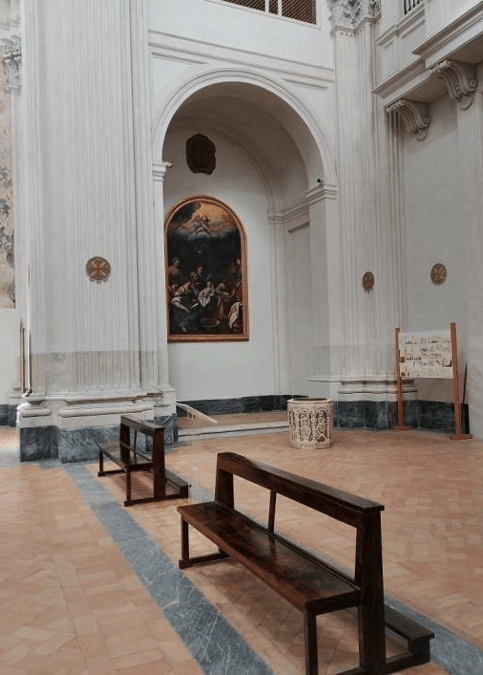
    Plautilla Bricci’s Birth of the Virgin is a magnificent altarpiece (3.53m x 2.23m) located in the first chapel on the right of the Church of Santa Maria in Campo Marzio, located in the heart of Rome, very close to the Parliament and Piazza del Pantheon. The most recent studies point to the painter and “architect” Plautilla Bricci (Coppolaro 2023) as the author of the work on the basis of documentation.

    Bricci was famous in her time for having designed the Villa del Vascello on the Colle Gianicolo for Elpidio Benedetti, Cardinal Mazarin’s agent in Rome, as well as the Chapel of St. Louis in the Church of San Luigi dei Francesi, for which she executed the architectural design and also the altarpiece. In the same church, the Contarelli chapel also houses Caravaggio’s three paintings of the Stories of St. Matthew. Her stature as a painter and her personality were brought to the attention of the general public with Melania Mazzucco’s novel L’architettrice (2019), and only recently have the catalogue of her works and the context of her activity been fully explored by art-historical studies (Lollobrigida 2021; Primarosa 2022; 2024), up to the exhibition Una Rivoluzione Silenziosa, Plautilla Bricci, Pittrice e Architettrice dedicated to her in 2023 at the Gallerie Nazionali d’Arte Antica in Palazzo Corsini.

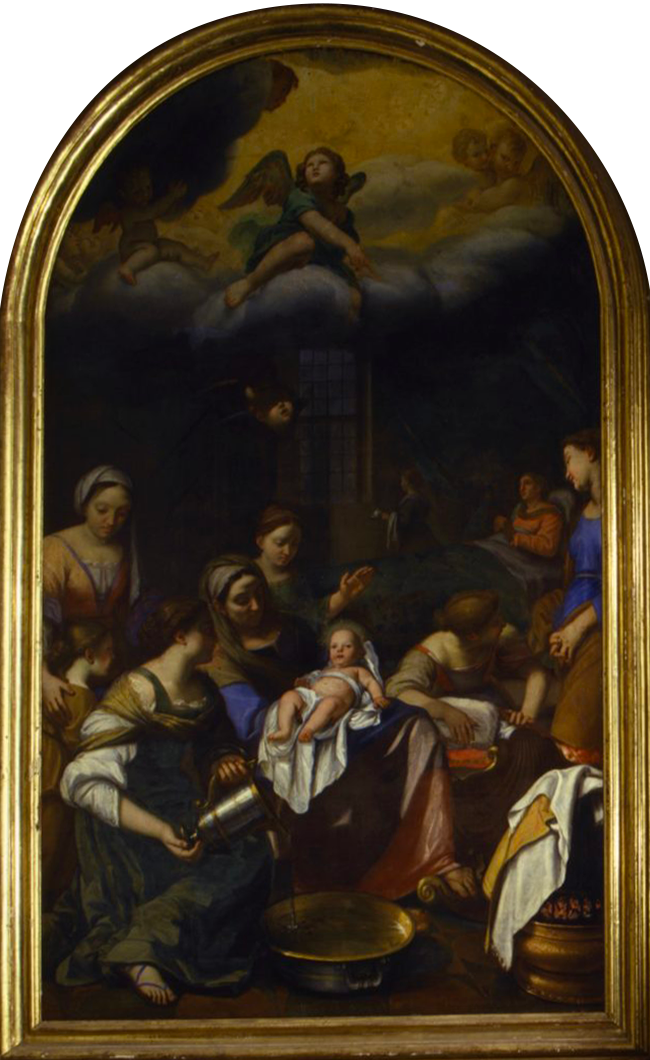
    The painting is dated to the 1660s and was commissioned by Anna Maria Mazzarino, sister of the powerful cardinal and abbess of the monastery of Santa Maria in Campo Marzio. The scene takes place in an interior, with the figures arranged on different levels. In the foreground is the midwife surrounded by various other helpers, Saint Anne and the newborn Virgin. In the background to the right is the bed with the parturient, assisted by handmaids, surmounted by a large open drape as a backdrop. In the upper part is the divine participation in the scene, with an angel in the center, seated on clouds and surrounded by seraphim.

    The work is in a precarious state of conservation and is in desperate need of restoration. For this reason, it was decided to propose a project that would not only contribute to the preservation of the painting and its transmission to the future, but which would also be an opportunity to study – this would be the first – the technique used by the artist, the painting materials, and ultimately retrace the steps that led Plautilla to achieve such a fascinating result. Material choices condition the visual rendering of a painting, so: How

    did she design the composition? How did she process it on canvas? Are there compositional changes? What pigments did she use? What was her painting technique? The data that will be acquired can be placed in the context of the studies already available which have traced the painting back to the hand of Plautilla.

  • CONSERVATION COMMITTEE

    Artemisia Gold has engaged the following distinguished team of experts to complete the project: 

    • Restoration work: Lorenza M.G.D’Alessandro, Restauratrice Opere d’Arte
    • Scientific investigations: Emmebi Diagnostica Artistica
    • Art-historical consultancy: Marco Coppolaro PhD, Italian Ministry of Culture
  • EDUCATION INITIATIVES

    During the scientific investigation and restoration work, filming will be carried out for the production of an educational documentary film. At the end of the restoration, it is planned to hold a public presentation and a didactic exhibition in the church next to the painting, and to produce an Italian-English publication of scientific value for a wide audience. The complex of Santa Maria in Campo Marzio houses the Prosecutor’s Office of the Holy See of the Patriarchate of Antioch and is fully available to host the initiatives outlined here.

  • PROJECT INCLUDES:

    • Art history research
    • Diagnostic testing
    • Photographic campaign
    • Presentation of new volume
    • Press Conference and presentation of project
    • National and International press campaign
    • Presentation of the painting and comparisons of similar works Inaugural events
  • INFO

    • Artist: Plautilla Bricci
    • Technique: Oil painting on canvas
    • Subject: The Birth of the Virgin
    • Date: 1660
    • Size: 53m x 2.23m


Plautilla Bricci, The Birth of the Virginc. 1660. Church of Santa Maria in Campo Marzio, Rome; image courtesy of Consuelo Lollobrigida. 


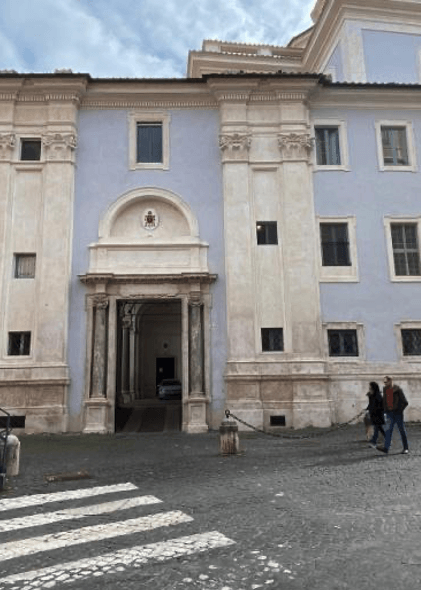
  • Church of Santa Maria in Campo Marzio, Rome – Exterior

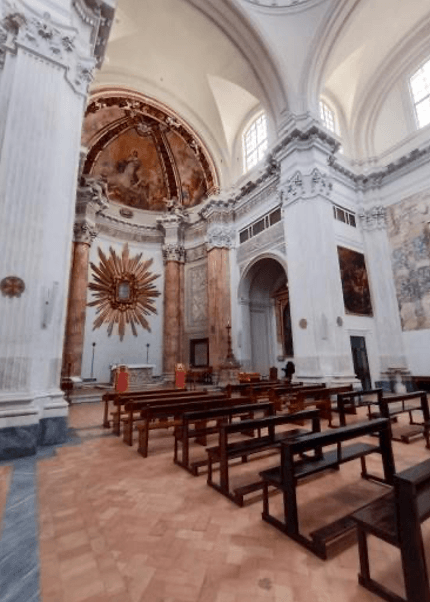
  • Church of Santa Maria in Campo Marzio, Rome – Interior Alter

  • Church of Santa Maria in Campo Marzio, Rome, Plautilla Bricci, The Birth of the Virgin, c. 1660

RELATED ART IN NEED

RELATED EVENTS

RELATED NEWS


Latest NEWS

Continue reading

Suor Plautilla Nelli’s Madonna of the Rosary, Montaione


  • WHAT

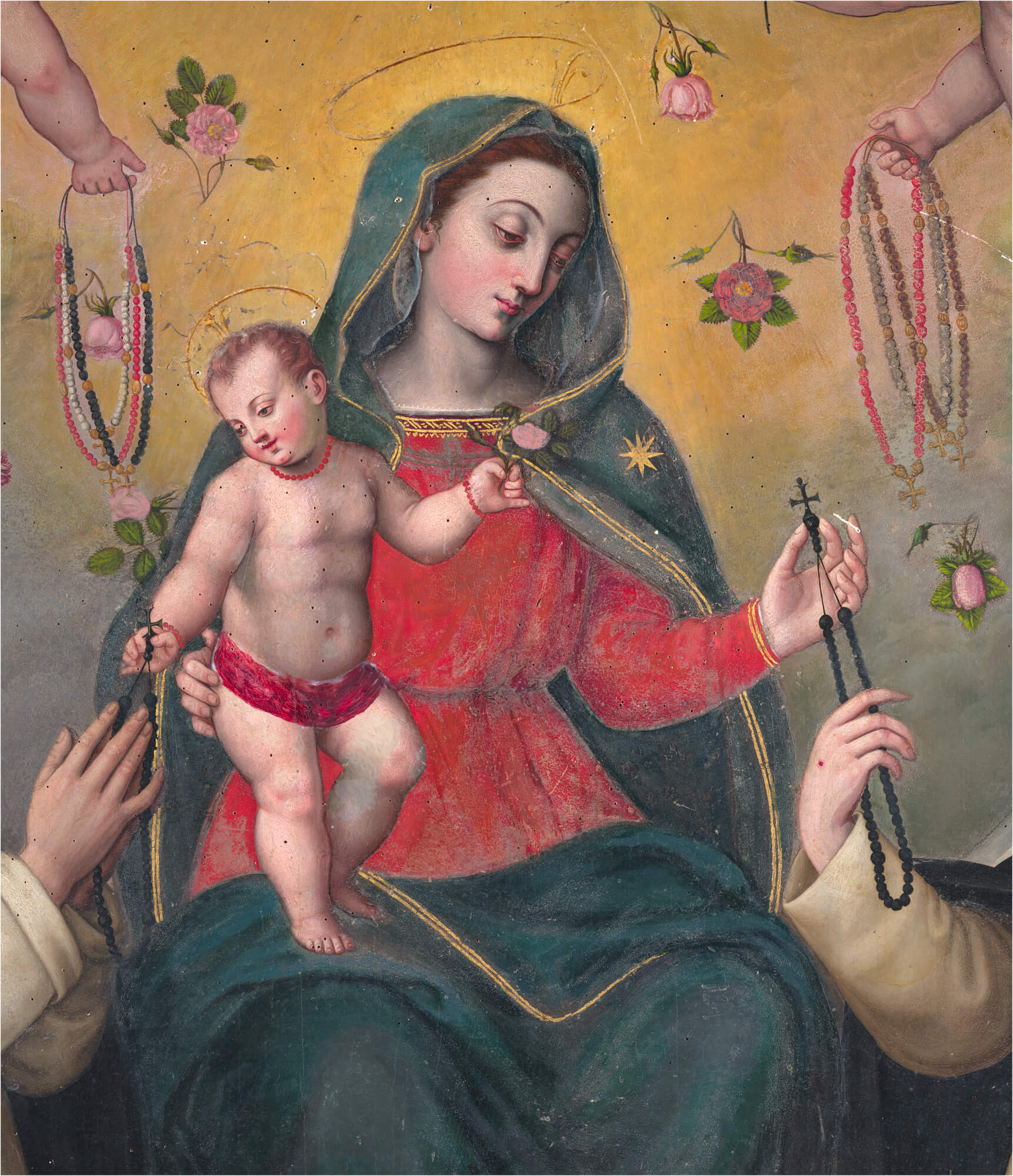
    Coinciding with the 500th anniversary of Plautilla Nelli’s birth, Florence’s first recognized female Renaissance artist (1524-1588) the following restoration was conducted on this large altarpiece, the  ‘Madonna of the Rosary’. Restoration of the painting was carried out by renowned ‘Nelli’ conservator Rossella Lari in collaboration with Anna Floridia, for the Superintendency of Florence. Historians Catherine Turrill Lupi and Fausta Navarro made an important contribution with their research and increased new findings on the recently discovered Nelli paintings.

  • WHEN

    Project began: March 2024
    Completion and presentation of restoration and publication: December 2024

  • WHERE

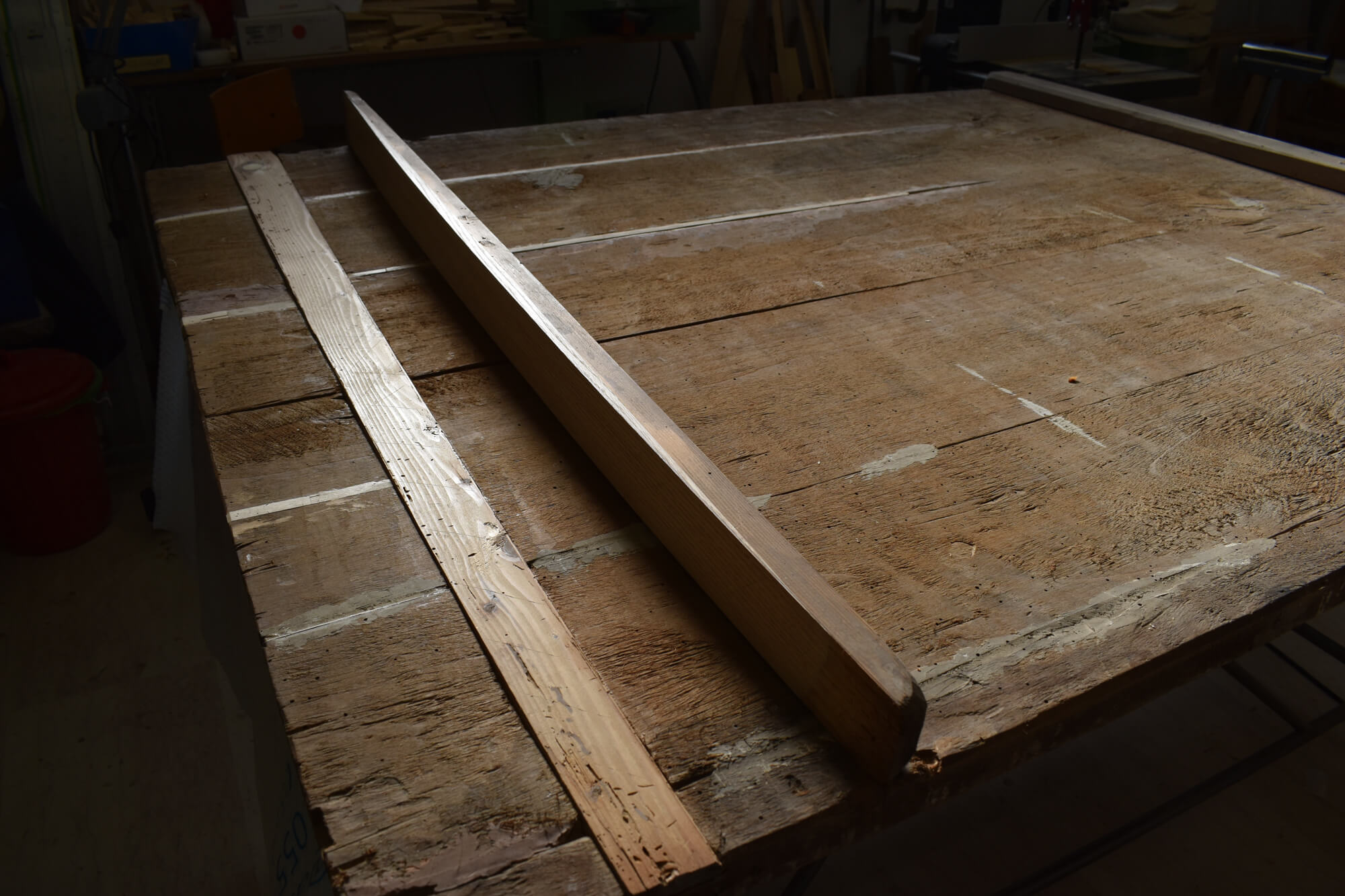
    The restoration of the painting was carried out by Rossella Lari, the living hand of Nelli in her studio in Florence. Roberto Buda restored the damaged panels and treated the wood, the frame was restored by William Johnson, a collaboration that worked together to restore this beautiful painting and enhance the body of Nelli works nationally and internationally with various events planned throughout  2024. The painting owned by the commune of Montaione was a project dear to the heart of Artemisia Gold, the Mayor of Montaione, Paolo Pomponi, as well as the whole Community of Montaione. There were several events surrounding this initiative, including conferences, exhibitions, and gala events in Montaione, Florence, Italy, London, England, and the USA.

  • PROJECT INCLUDES:

    • Art history research
    • Diagnostic testing
    • Restoration of the painting- Rossella Lari
    • Frame conservation – Lorenzo de’ Medici Institute
    • Photographic campaign
    • Private visits to the restoration studios
    • Presentation of the final project of  ‘Advanced Restoration’ LdM students to go towards their Degree
    • Press Conference and presentation of completed project post-restoration
    • National and International press campaign
    • Presentation of the painting after restoration with its accompanying publication
    • Inaugural events
  • INFO

    • Artist: Suor Plautilla Nelli
    • Technique: Oil painting on panel
    • Subject: Madonna of the Rosary
    • Location: Montaione, Church of Saint Joseph and Lucia
    • Size: 175 cm x 139 cm, with frame 222 cm x 186 cm x 9 cm

  • Before Restoration – Overall View

    Overall view of the painting prior to conservation, showing surface grime, oxidized varnish, structural deformations of the panel, and extensive chromatic alteration that obscured the original palette and spatial depth.

  • X-radiograph – Detail

    Detail X-ray image revealing pentimenti, alterations in figure placement, and the stratigraphy of the paint layers.

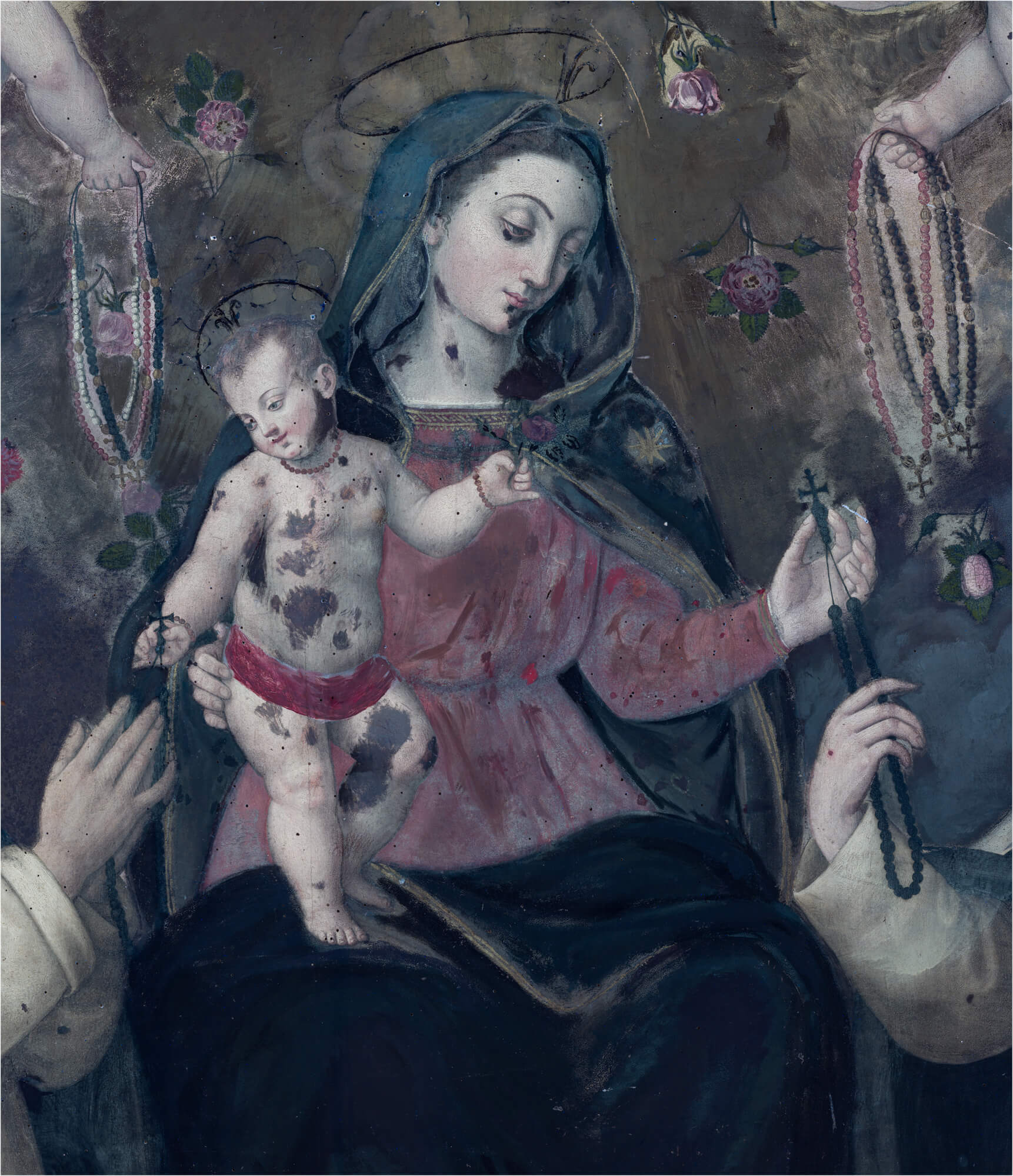
  • Ultraviolet (UV) Examination

    Ultraviolet fluorescence imaging highlighting aged varnish layers, retouchings, and areas of previous restoration.

  • Low-Density / Diagnostic Image (LD)

    Low-Density / Diagnostic Image (LD)

    Diagnostic imaging used to assess surface condition and paint distribution.

  • Wood Panel Restoration

    Wood Panel Restoration

    Structural conservation of the wooden support, including stabilization of joins and corrective interventions to ensure long-term preservation.

  • Unveiling Event – General View

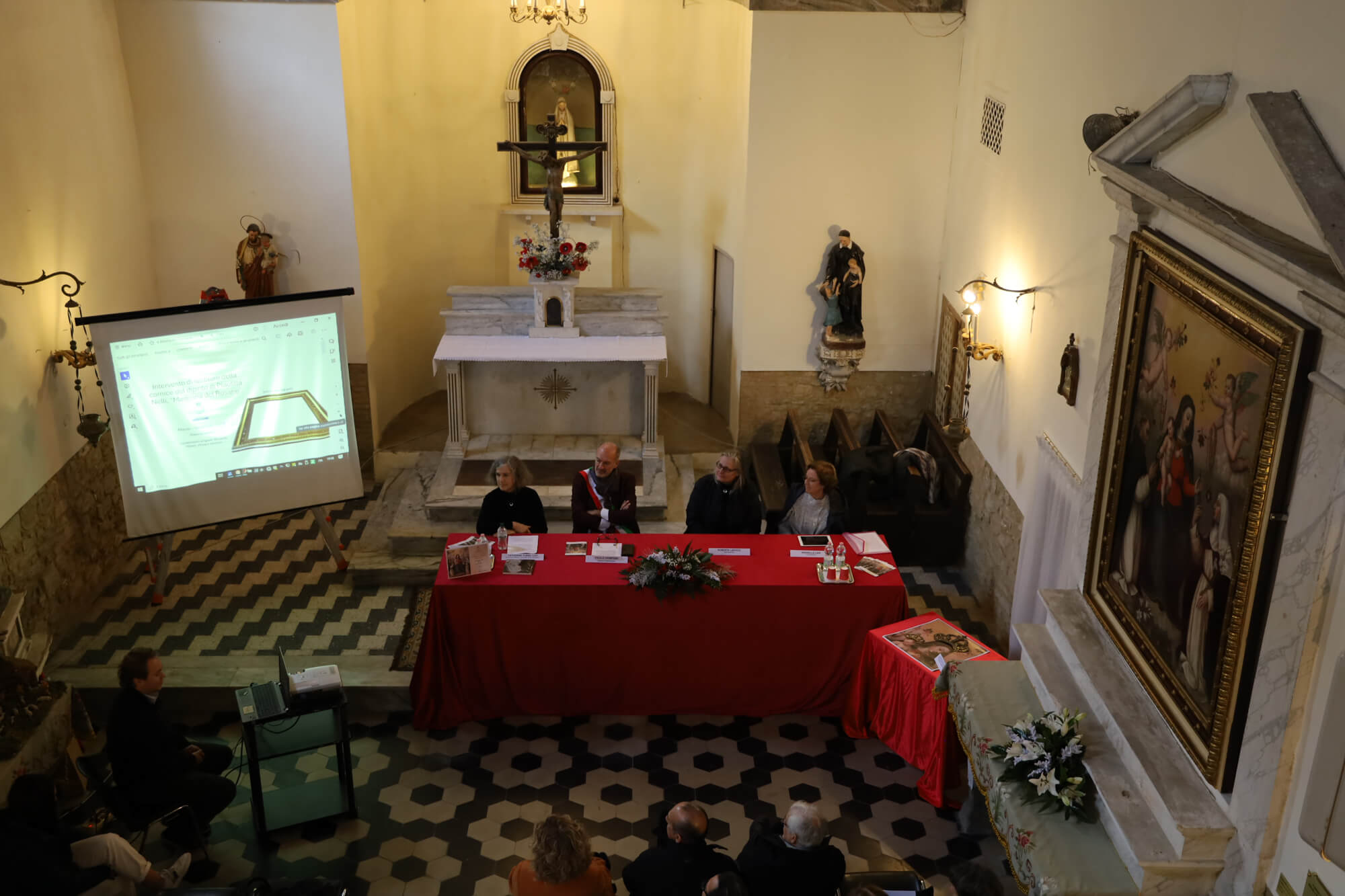
    The unveiling ceremony celebrating the completion of the restoration project and the renewed visibility of Plautilla Nelli’s work.

  • Unveiling Event – Speakers Panel

    Presentation and discussion by conservators, scholars, and local representatives during the official unveiling of the restored work.

  • Madonna of the Rosary – In Situ, Montaione

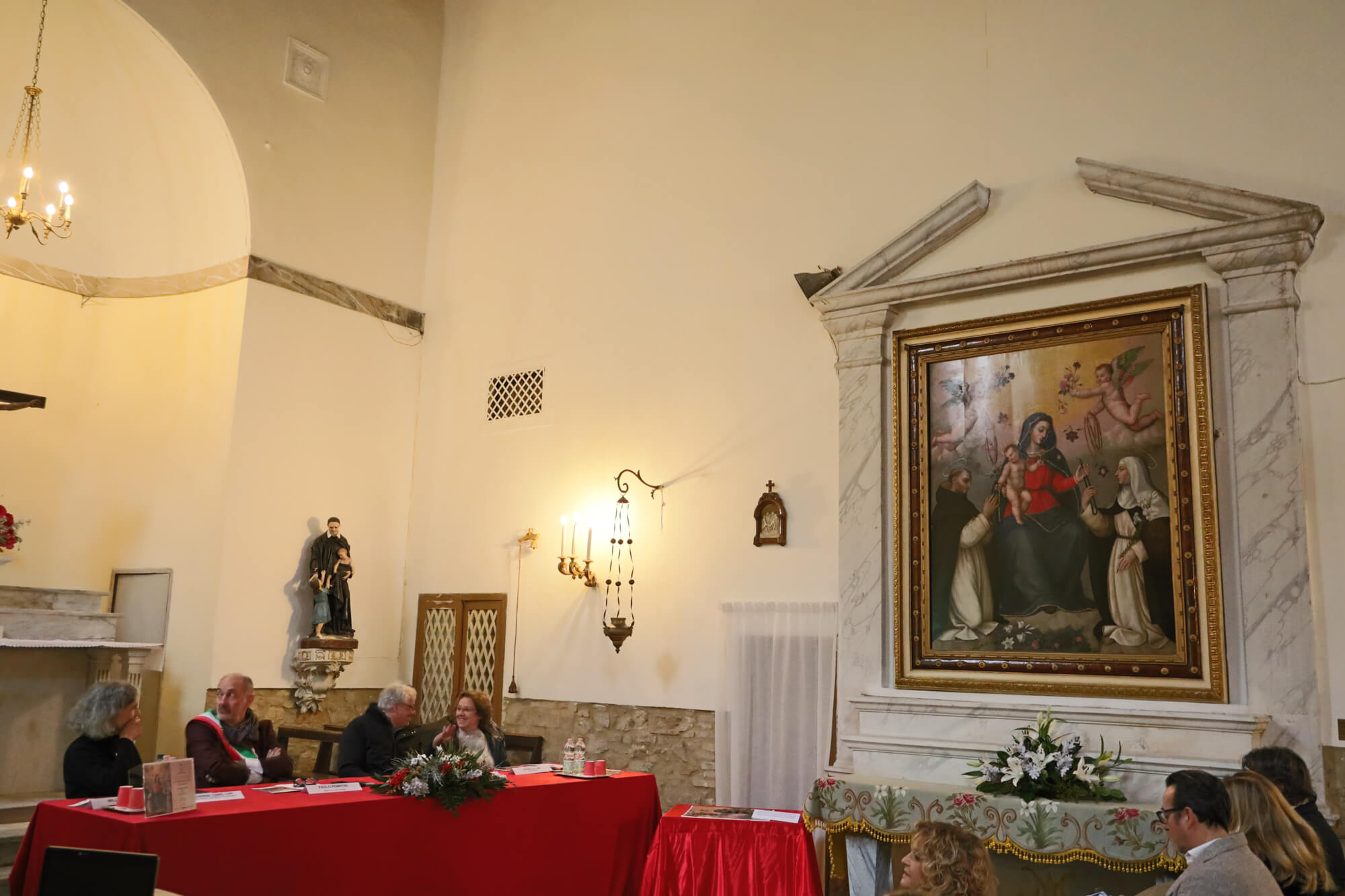
    The restored altarpiece displayed in its original devotional setting in Montaione, re-integrated into the architectural and liturgical context for which it was created.

RELATED ART IN NEED

RELATED EVENTS

RELATED NEWS


Latest NEWS

Continue reading

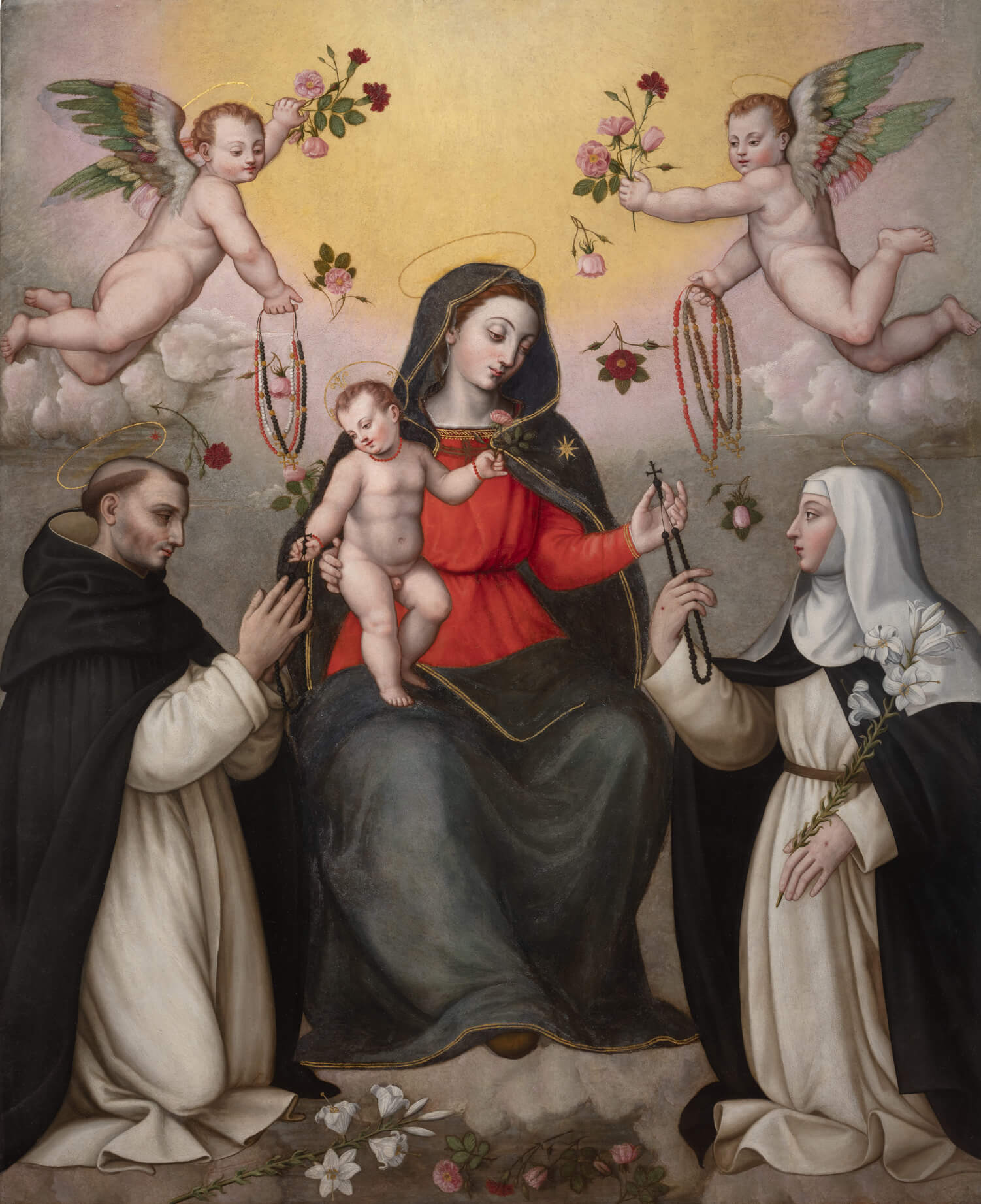
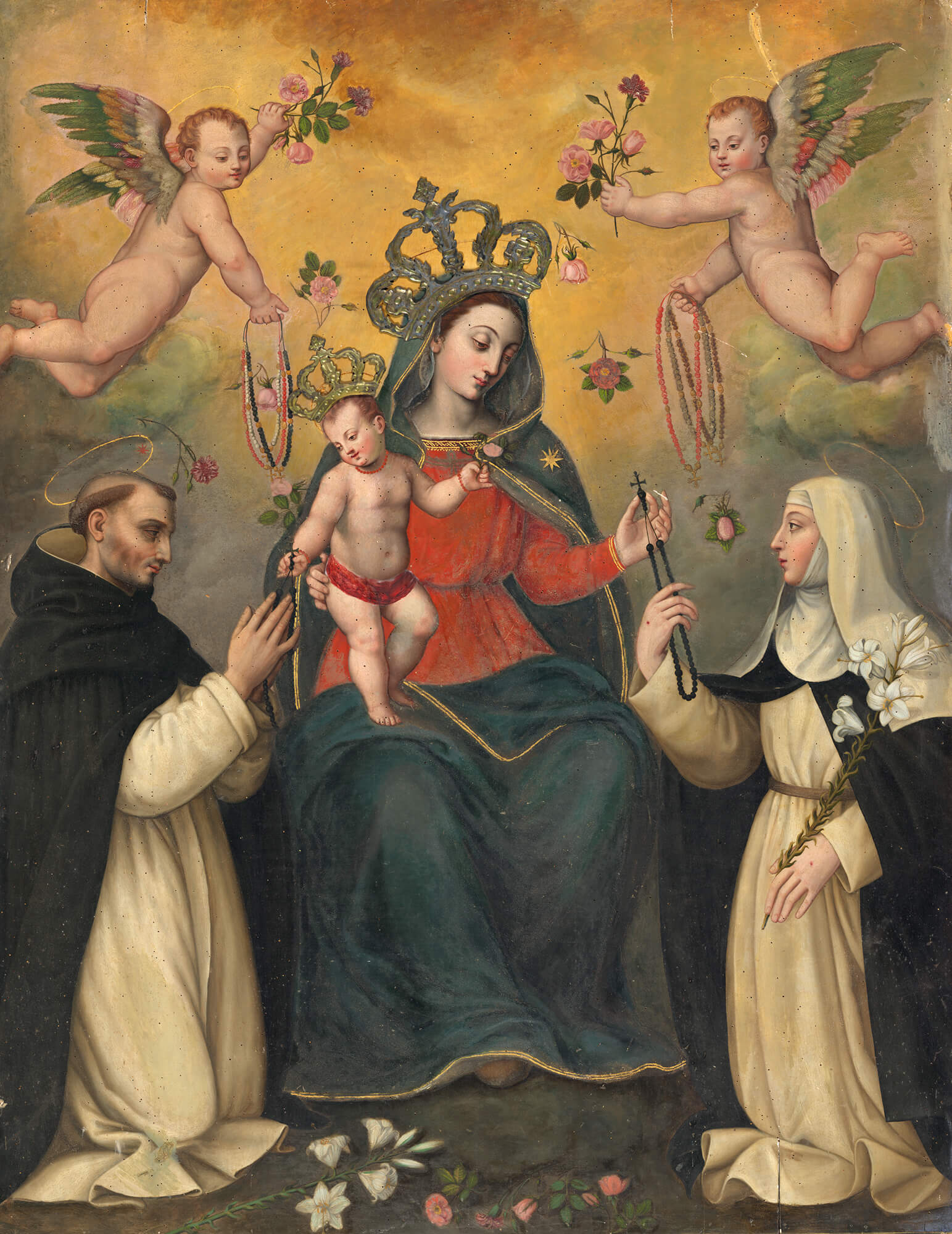
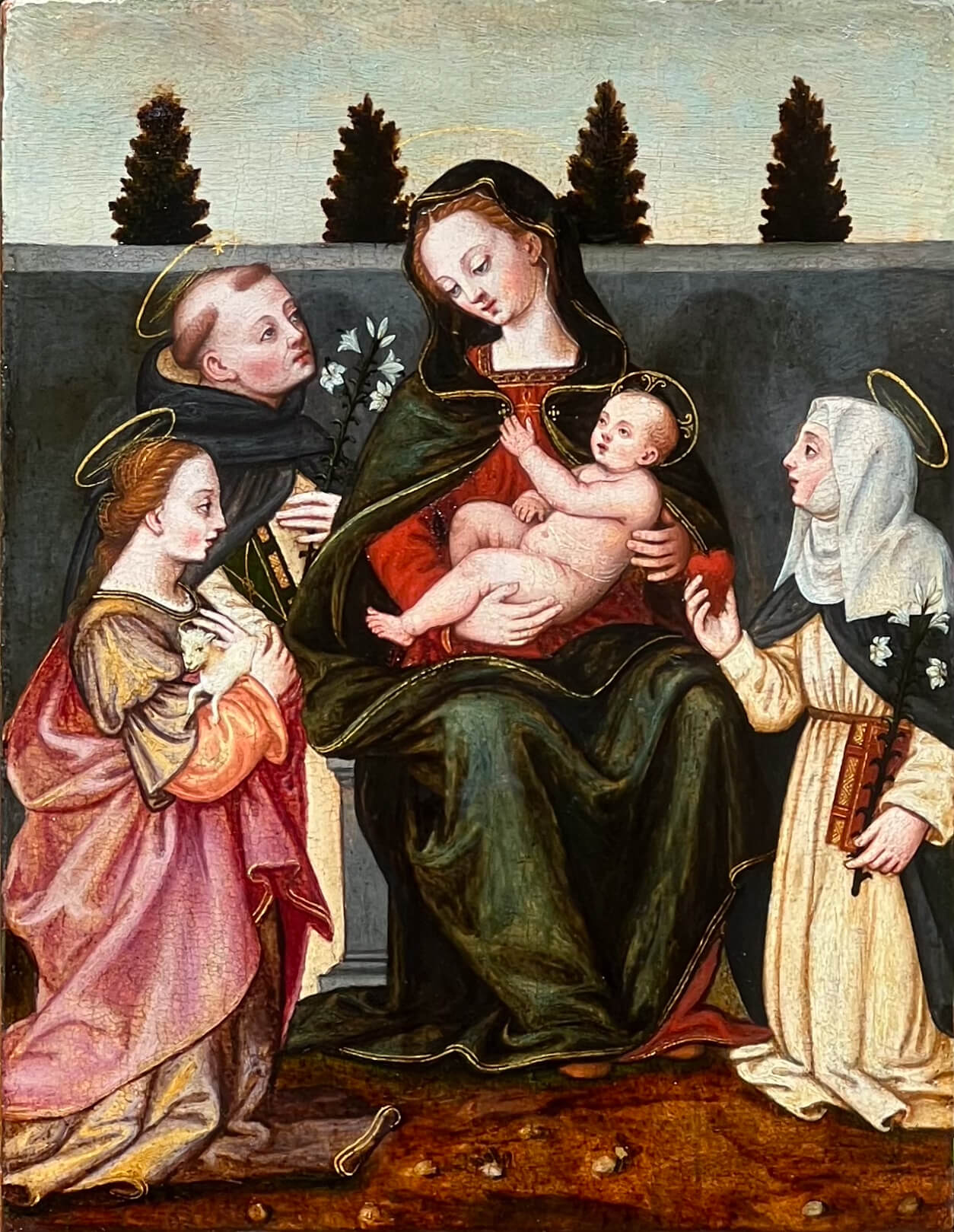
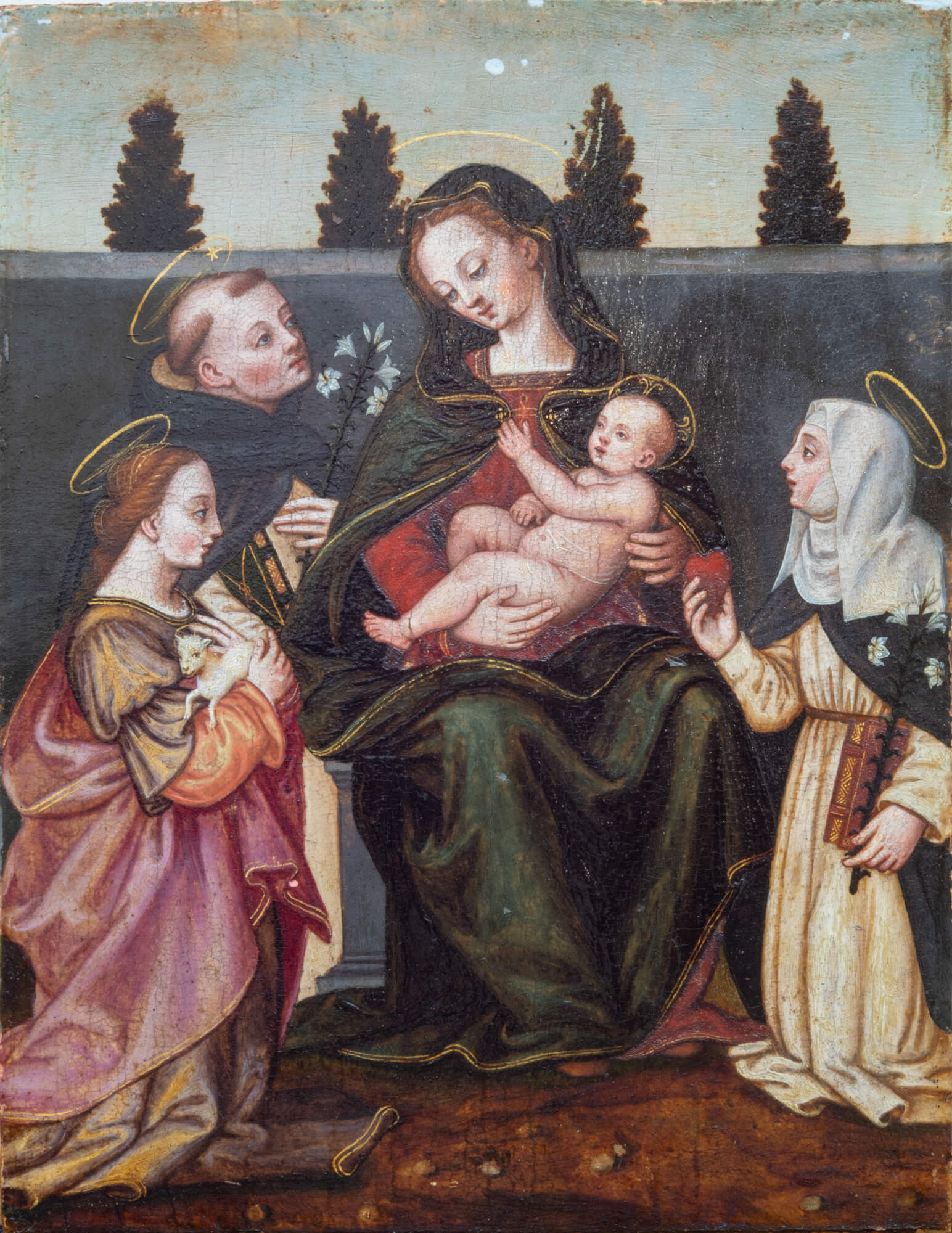
Suor Plautilla Nelli’s ‘Madonna and Child with Saint Catherine, Sant’Agnese and Saint Dominique.’


  • WHAT

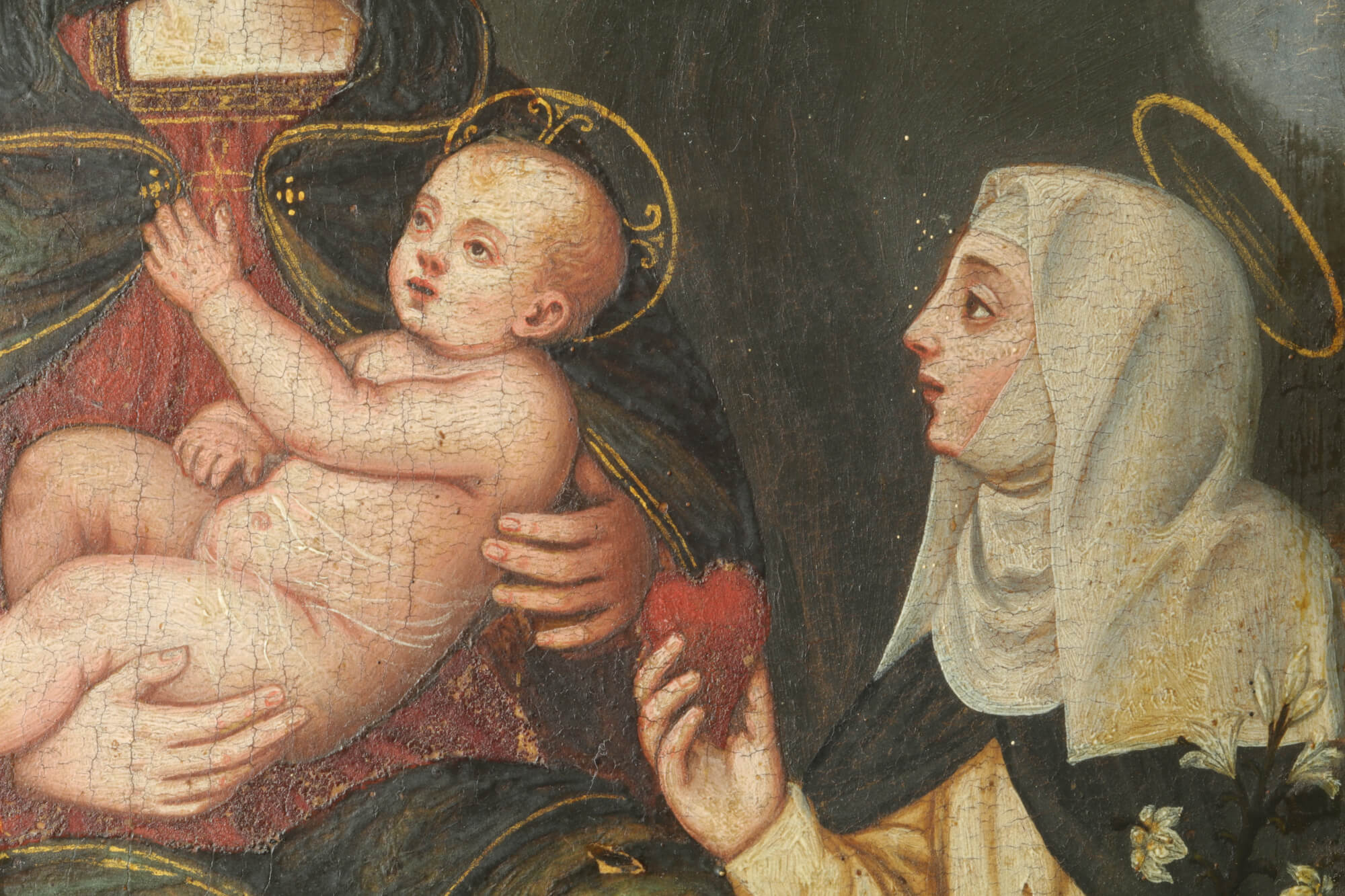
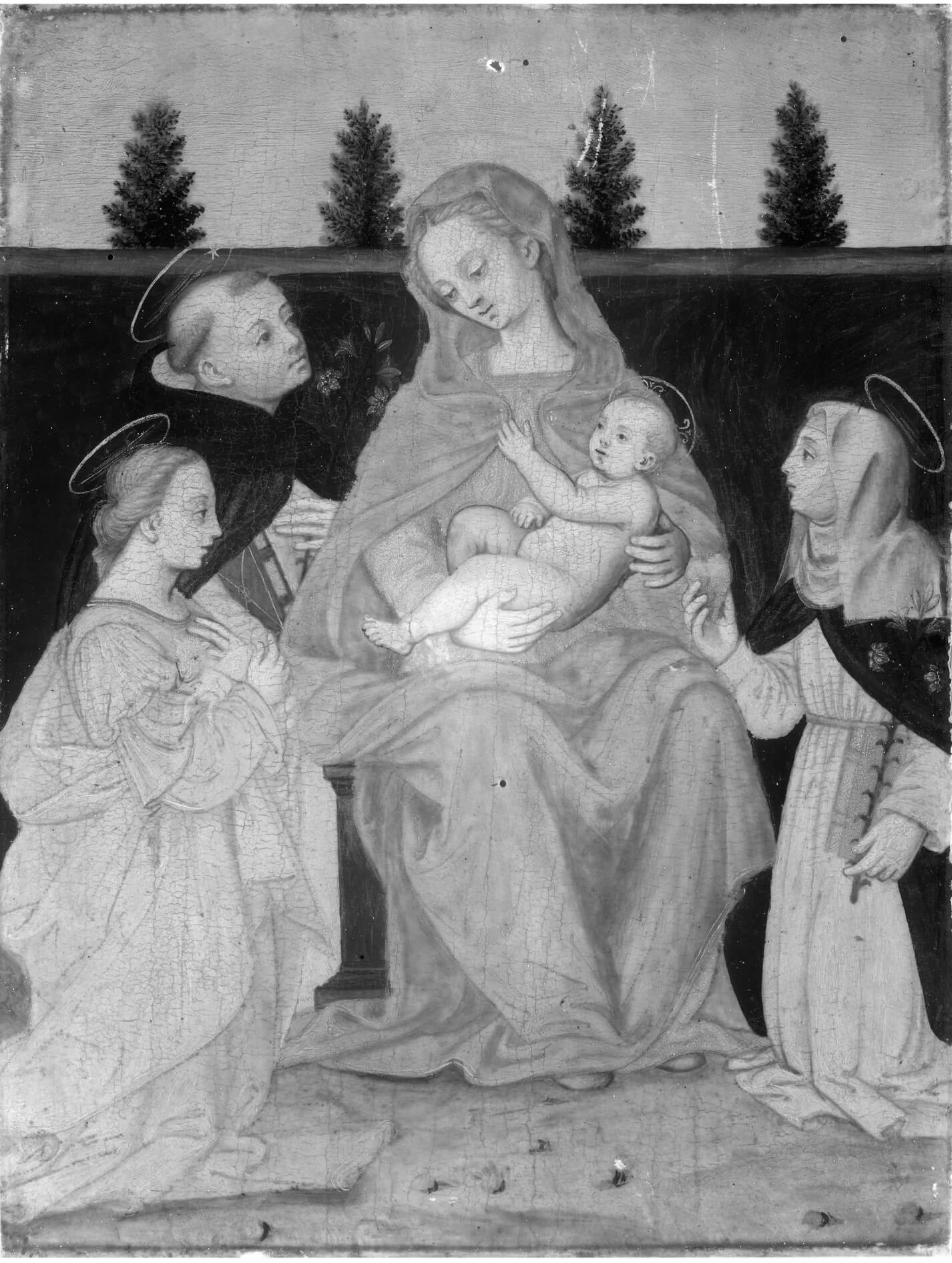
    Coinciding with the 500th anniversary of Suor Plautilla Nelli’s birth, Florence’s first recognized female Renaissance artist (1524-1588), the following restoration was planned on a small panel painting of the ‘Madonna and Child with Saint Catherine, Sant’Agnese and Saint Dominique’. Research and restoration by ‘Advanced Restoration’ students under the direction of head professor Dr. Roberta Lapucci of the Lorenzo de’ Medici Institute of Florence, and the ‘technical art’ scientific and chemical study campaign with the collaboration of Trisha Dalke (ex-LDM student in Art Conservation)   (taking her master’s degree in Technical Art at the University of Amsterdam). Other LdM departments, such as Gender Studies, Jewelry Design, Fine Art, Graphics, and Communication, also participated in this project. Leading Nelli scholar Dr. Catherine Turrill Lupi made an important contribution with her research, uncovering new findings on the small panel’s paintings by Plautilla Nelli and her ‘Bottega’ that are coming to light.

  • WHEN

    Start: January 2024
    Completion and presentation of restoration and publication: June 2024

  • WHERE

    The restoration was carried out at the Lorenzo de’Medici Institute in Florence,  to communicate and enhance the body of Nelli works nationally and internationally with various events taking place in 2024, namely: conferences, exhibitions, and gala events in San Marco, and Palazzo Vecchio in Italy, Utrecht, the Netherlands, Milan, Italy, London England, Dublin, Ireland and the USA.

  • PROJECT INCLUDES:

    • Art history research
    • Diagnostic testing Lorenzo de’ Medici Institute in collaboration with the University of Amsterdam
    • Restoration of the painting
    • Frame Conservation
    • Photographic campaign
    • Presentation of the final project of 3 ‘Advanced Restoration’ LdM students  that went towards their degree
    • Press Conference and presentation of the project
    • National and international press campaign
    • Presentation of the painting after restoration with its accompanying publication
    • Inaugural events
  • INFO

    • Artist: Suor Plautilla Nelli
    • Technique: Oil painting on panel
    • Subject: Madonna and Child with Saint Catherine, Sant’Agnese and Saint Dominique
    • Size:  35.5 cm x 27.4 cm with frame  44 cm  x 36 cm

  • Visible light – Before restoration

    Visible light – Before restoration

    The painting before conservation treatment, showing oxidised varnish, surface grime, and chromatic alteration that obscure the original palette and compositional clarity.

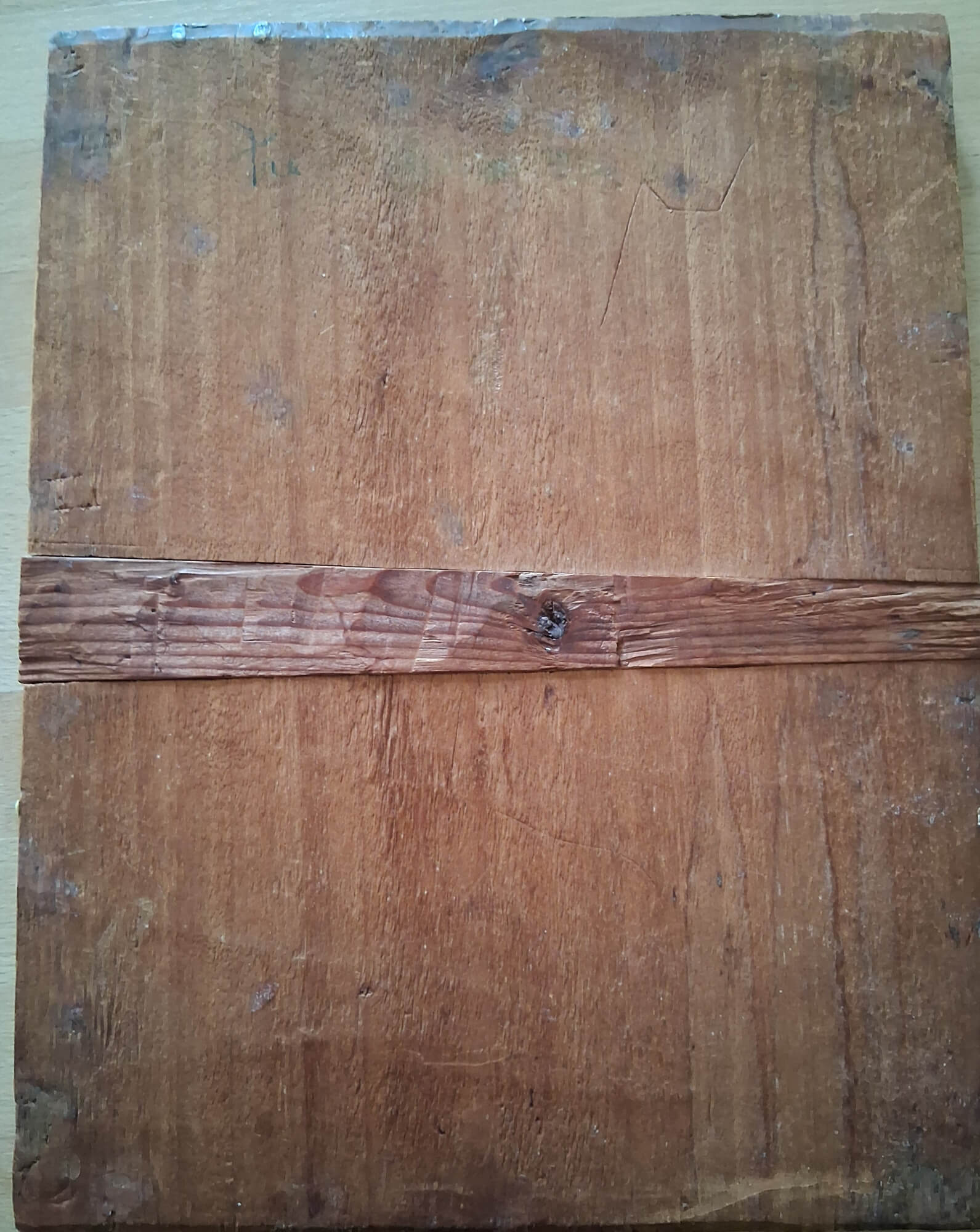
  • Reverse of the panel

    Reverse of the panel

    The reverse of the wooden panel, documenting the construction of the support, natural wood grain, and evidence of age, wear, and past handling.

  • Reverse – Framed, during restoration

    The reverse of the painting during restoration, showing the panel secured within its frame and allowing assessment of structural condition and previous mounting solutions.

  • Detail – Cleaning process (1)

    Detail captured during the cleaning phase, illustrating the gradual removal of aged varnish and surface deposits to reveal the original paint layer beneath.

  • Detail – Cleaning process (2)

    Close-up during cleaning, highlighting the emergence of original pigments, refined modelling, and subtle chromatic transitions characteristic of Nelli’s hand.

  • Detail – Cleaning process (3)

    Detail documenting the contrast between cleaned and uncleaned areas, demonstrating the impact of varnish removal on depth, luminosity, and surface articulation.

  • Detail – Cleaning process (4)

    Detail – Cleaning process (4)

    Microscopic view during treatment, revealing fine craquelure, brushwork, and the preserved integrity of the original paint layer.

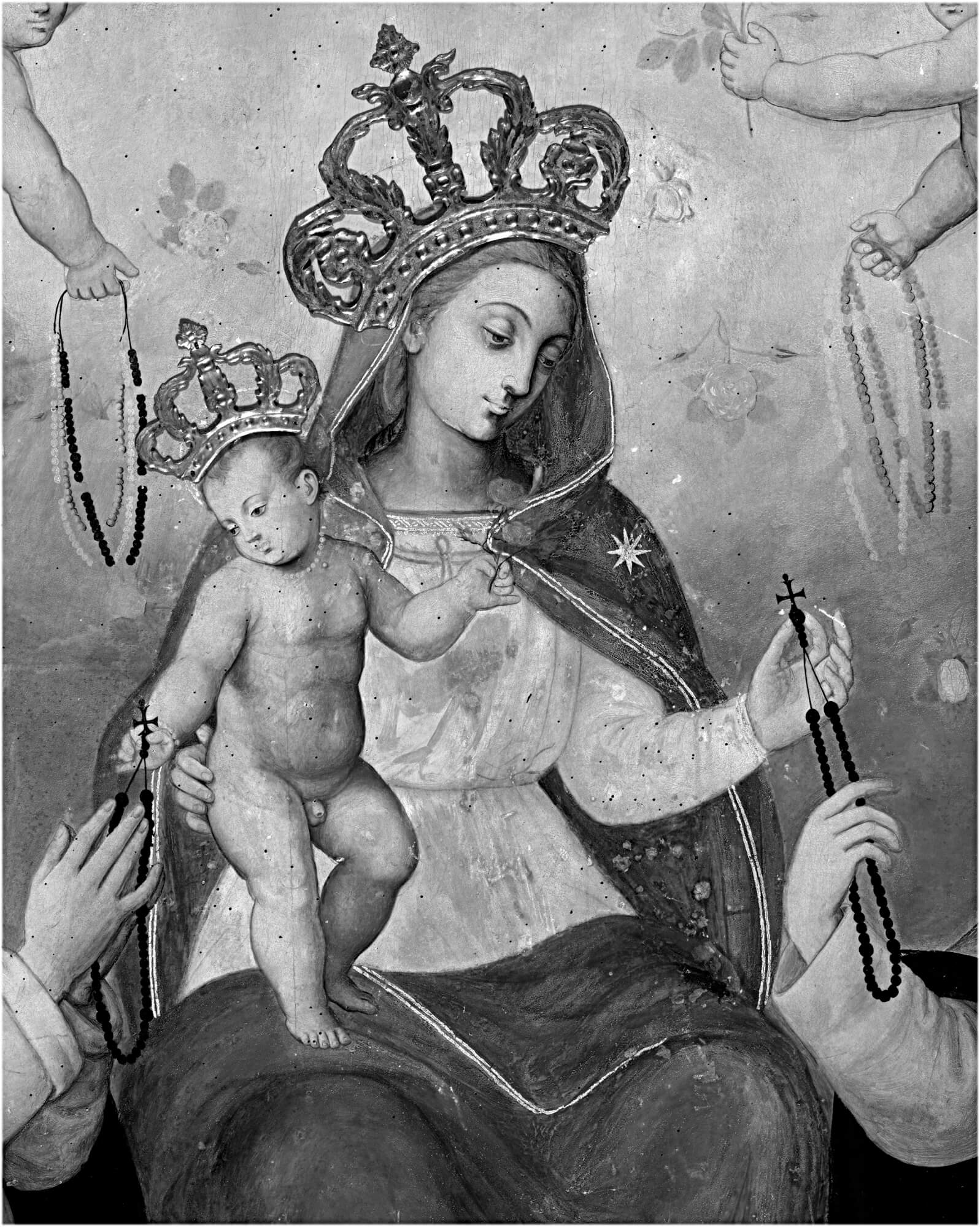
  • Infrared reflectography (IR)

    Infrared reflectography (IR)

    Infrared reflectography revealing underdrawing and preparatory elements beneath the painted surface, offering insight into the artist’s compositional planning and execution.

  • X-radiography (RX)

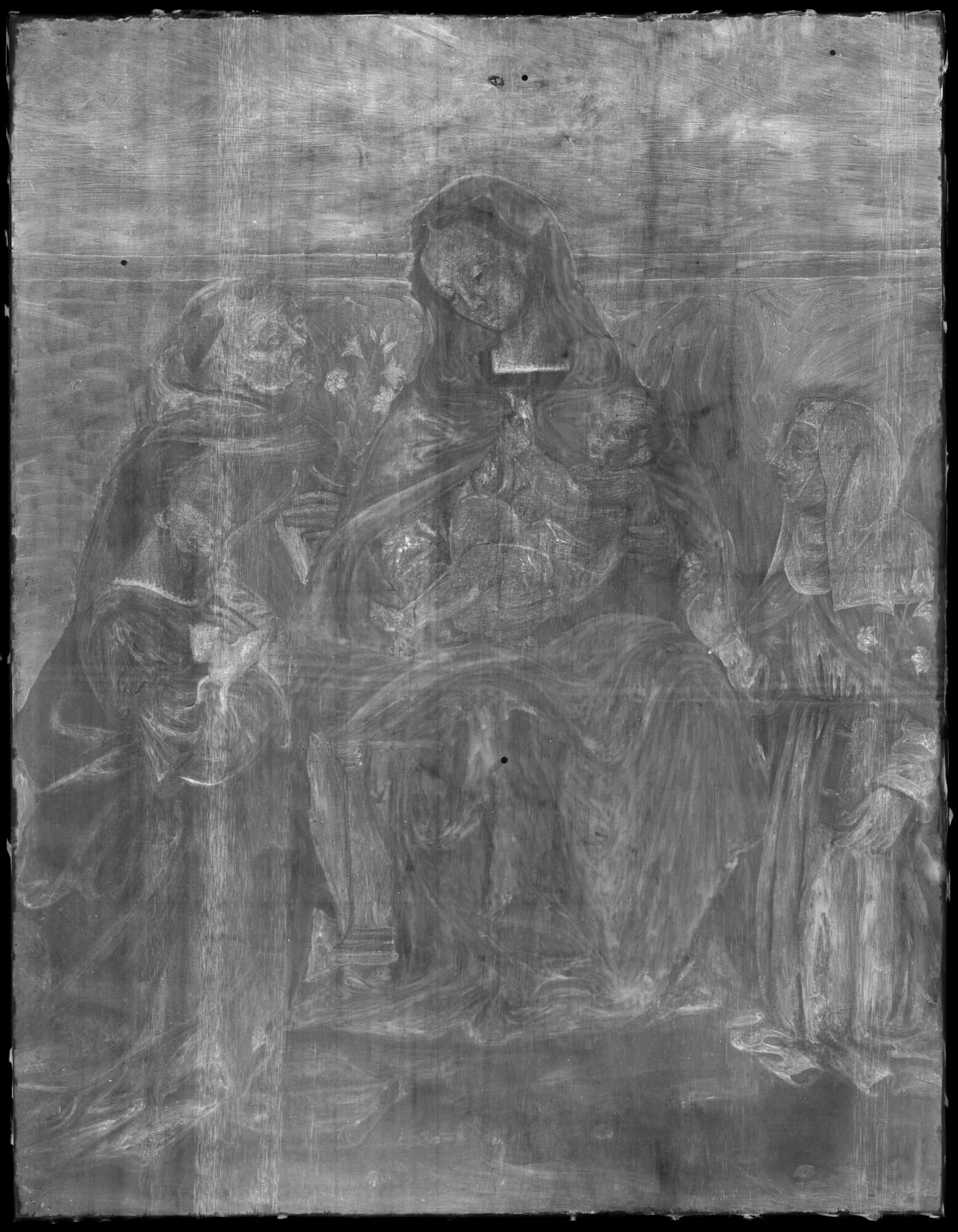
    X-radiographic image exposing the internal structure of the panel, variations in paint density, and alterations not visible in reflected light.

  • Infrared false-colour (IRfc)

    Infrared false-colour (IRfc)

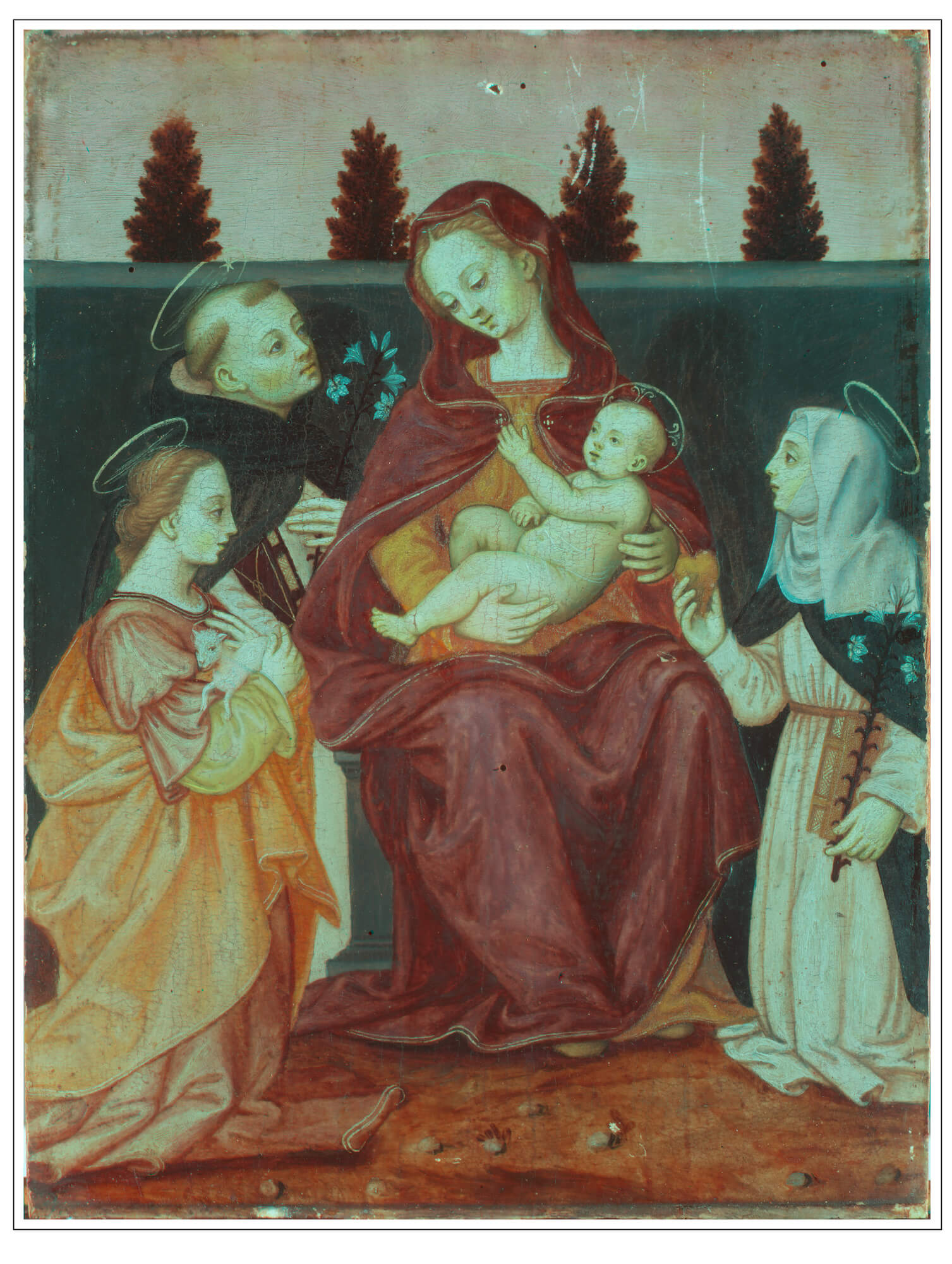
    Infrared false-colour imaging used to distinguish original pigments from later retouching and restorations, aiding in the identification of material differences and alterations across the painted surface.

RELATED ART IN NEED

RELATED EVENTS

RELATED NEWS


Latest NEWS

Continue reading

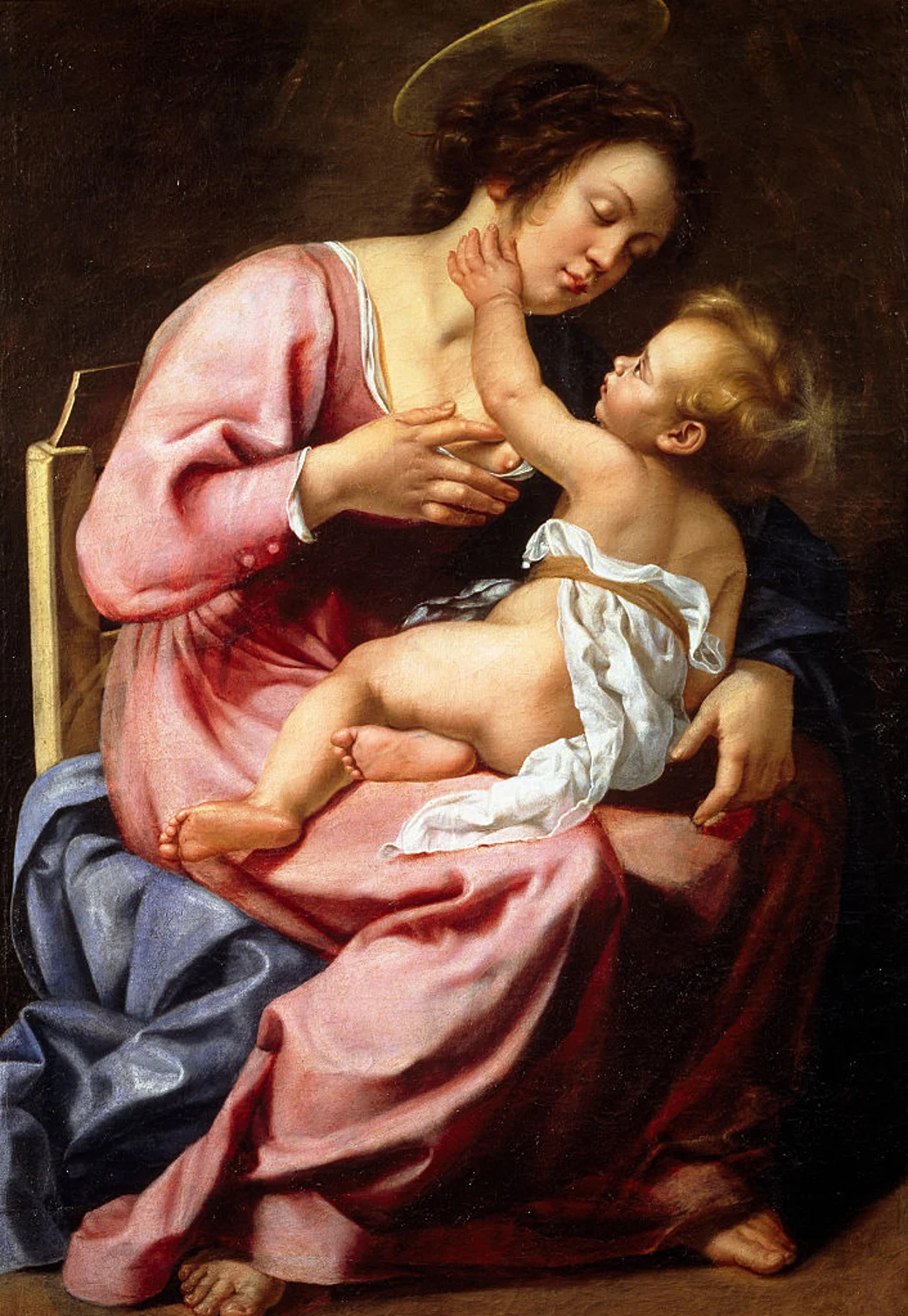
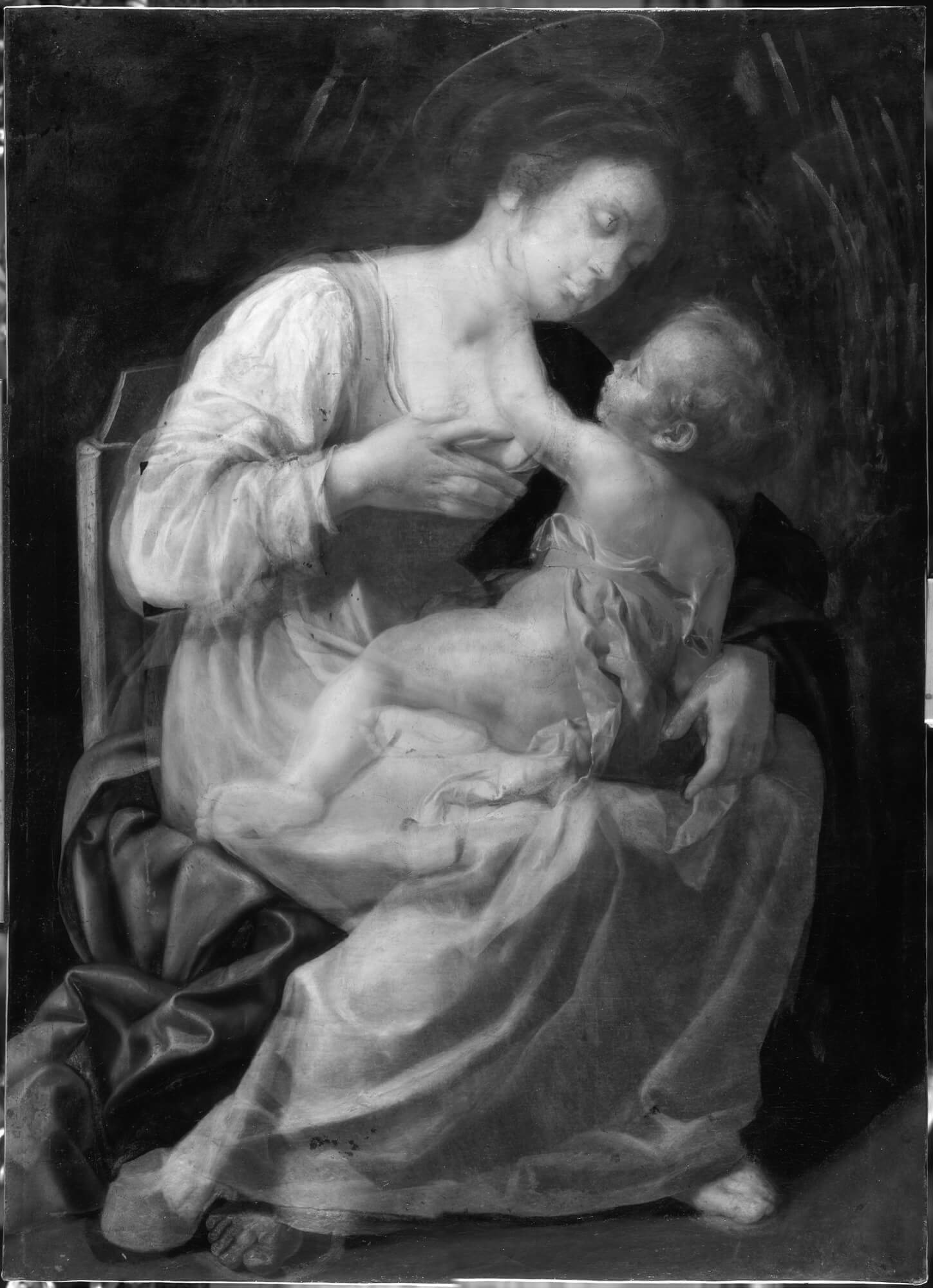
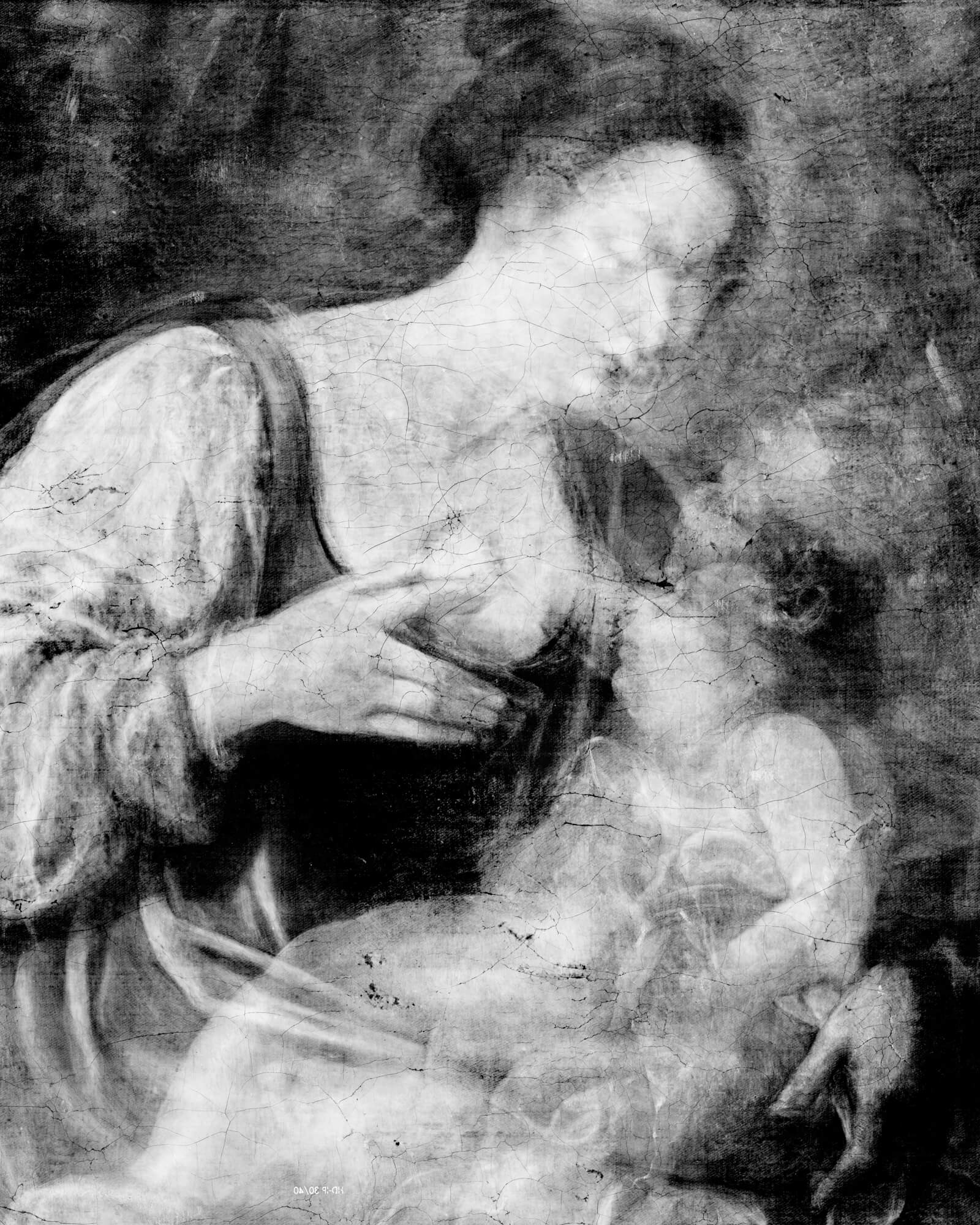
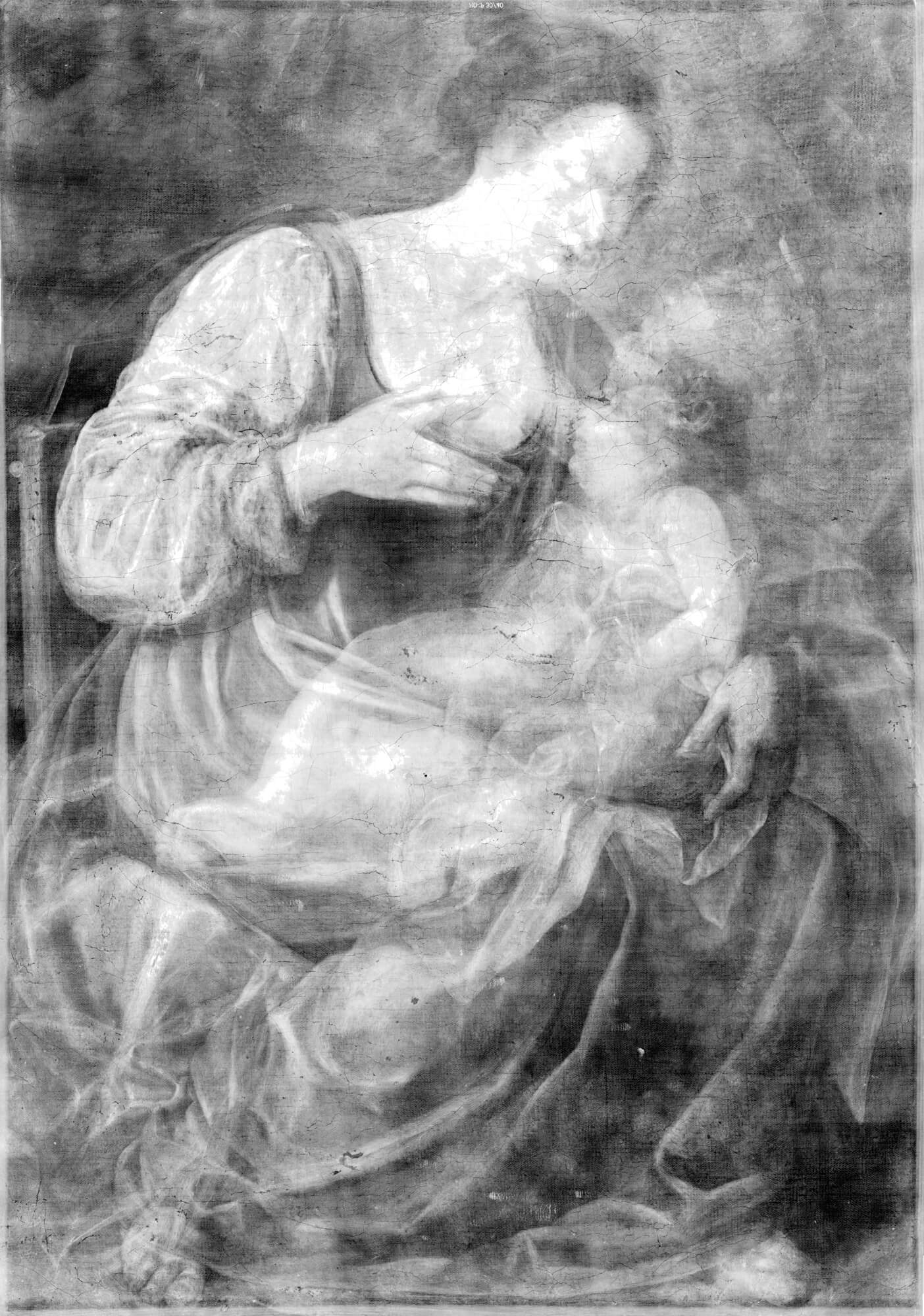
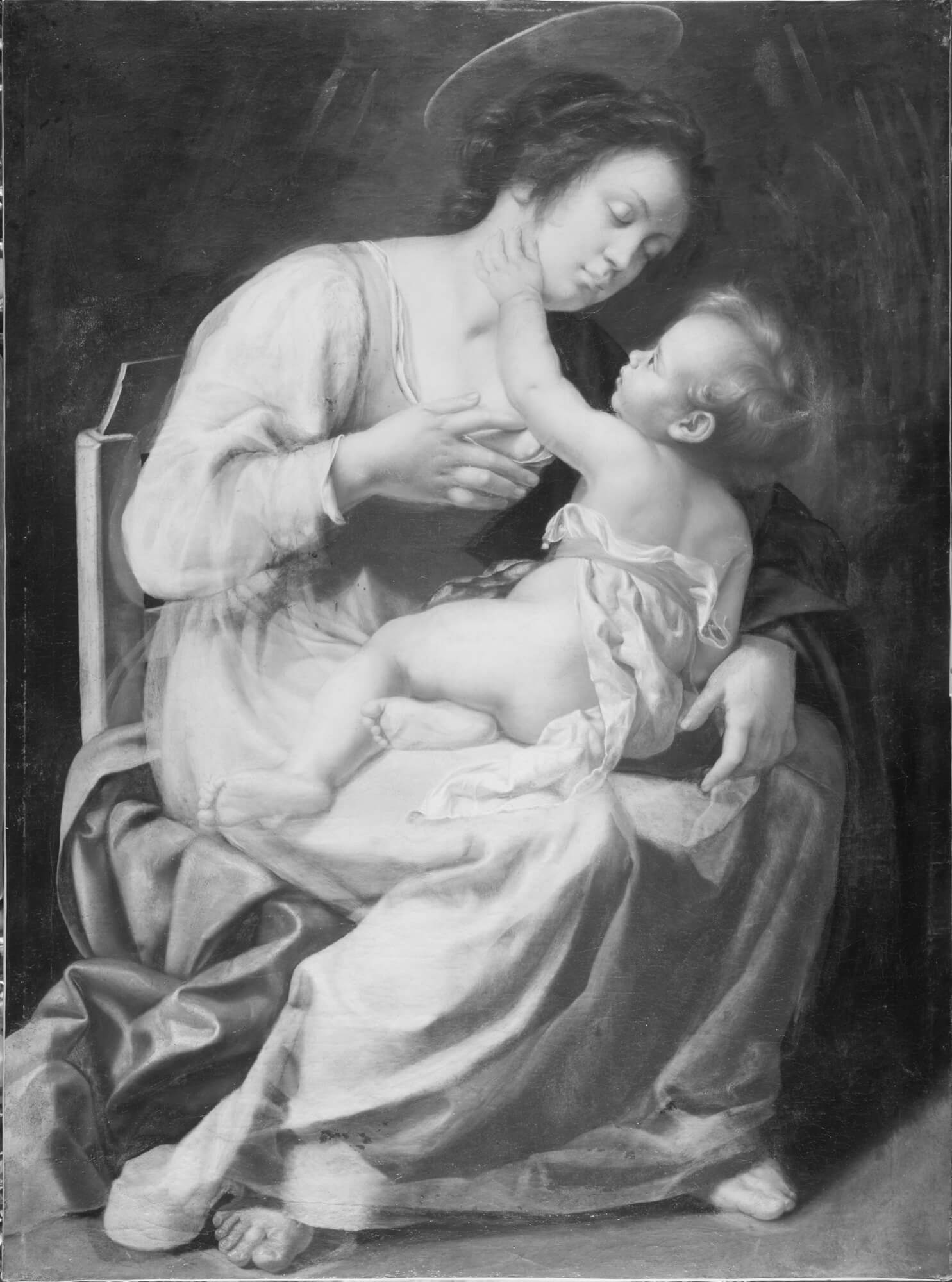
Artemisia Gentileschi: Madonna and Child, ‘Under the Surface’


  • WHAT

    Diagnostic campaign with the Publication of one of Artemisia’s best-loved works, her ‘Madonna and Child’ and ‘Santa Cecilia’ paintings at the Galleria Spada Rome. 

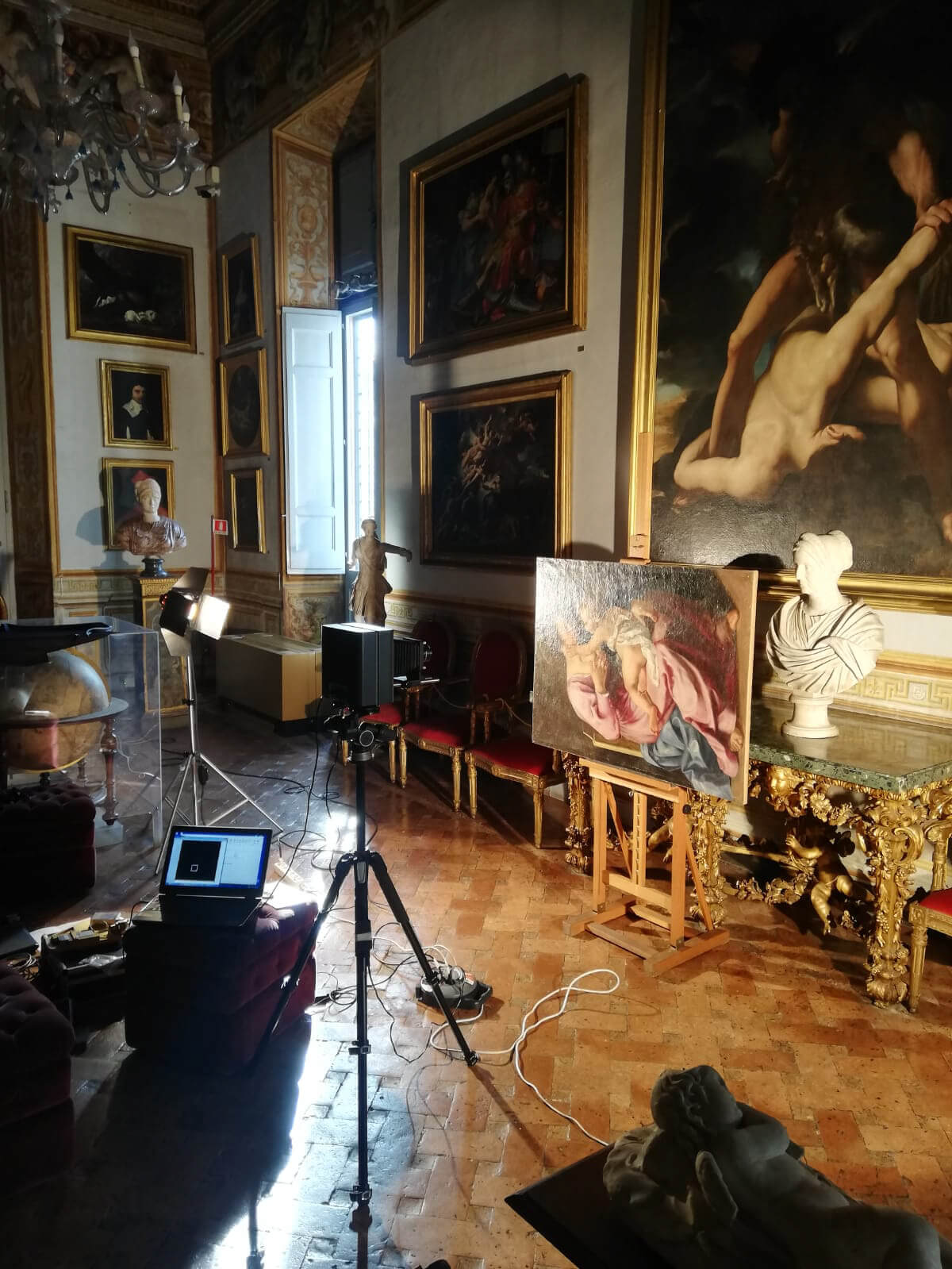
    A project to discover the secrets of these famous and much-loved paintings, and for the English translations and publication of this new volume. This project, curated by Artemisia Gold CIC and Emmebi Diagnostica Artistica, focused on the execution of a diagnostic research campaign to document the technique, materials used, and its state of conservation. The interest in the figure of Artemisia Gentileschi has grown significantly in recent decades, as evidenced by the numerous exhibitions dedicated to her and the ever-increasing number of technical studies that help us understand how she painted and, ultimately, why her style is so unique. The investigation proposed in this project was non-invasive, using different visible and non-visible radiation (ultraviolet, infrared, X-rays), which were able to provide images and data on the different constituent layers, from the support to the pictorial and finishing layers. Upon completion of the documentation campaign, we conducted a micro-sample to analytically investigate the preparatory layers and the more significant pictorial layers. Thanks to the goodwill of the Galleria Spada these investigations were conducted within the gallery, and the results were illustrated to special guests in May 2023 during an exclusive private event at the Museum. The investigations were sponsored by Artemisia Gold CIC and were carried out and illustrated by Emmebi Diagnostica Artistica.

    The project included: Diagnostic investigations (including organization of live investigations) – Multispectral photographs (VIS-UV-IR) – Macrophotographs and microphotographs – Infrared reflectography – Radiography – X-ray fluorescence analysis (XRF – Stratigraphy on polished section and SEM-EDS microanalysis  and concluded with a private event at the Galleria Spada.

    Carried out in 2024  – A publication with new findings. The Madonna and Child and Saint Cecilia by Artemisia Gentileschi at the Galleria Spada.  These important findings, recently acquired on Artemisia Gentileschi’s Madonna and Child (Galleria Spada, Rome), thanks to the technical research project sponsored by Artemisia Gold CIC have provided the impetus to produce a monographic volume on the great painter’s two paintings, preserved in the Museum. Both the Madonna and Child and Saint Cecilia were subjected to an in-depth diagnostic campaign, curated by Emmebi Diagnostica Artistica s.r.l., aimed at characterizing their constituent materials and reconstructing the artist’s compositional processes. The volume was published in 2024 in Italian and English by the publisher De Luca. Included were essays by Francesco Solinas, Adriana Capriotti, Marco Cardinali, and Maria Beatrice De Ruggieri, which shed new light on the great artist and on her two works in the Galleria Spada. These new findings were also thanks to the contributions of technical-scientific research to historical-critical studies. A rich set of images and technical data accompanied the publication of the studies.

  • WHEN

    The publication was launched in May 2024

  • WHERE

    A private presentation and viewing of the two Artemisia paintings, her ‘Madonna and Child’ and ‘Santa Cecilia playing the Lute’ together with the unveiling of new groundbreaking findings and the publication surrounding them was held at a private event at the Galleria Spada.

  • PROJECT INCLUDES:

    • Art history research
    • Diagnostic testing
    • Photographic campaign
    • Presentation of new volume surrounding the 2 paintings by Artemisia Gentileschi, owned by Spada.
    • Press Conference and presentation of project and new volume
    • National and International press campaign
    • Presentation of the painting and comparisons of similar works Inaugural events
    • INFO

      • Artist: Artemisia Gentileschi
      • Technique: Oil painting on canvas
      • Subject: Madonna and Child
      • Date: 1610-1611
      • Size: 116,5 cm x 86,5 cm

    • In situ documentation – Diagnostic setup

      In situ documentation of the diagnostic campaign at the Spada Gallery, showing the painting during technical examination with specialized imaging equipment.

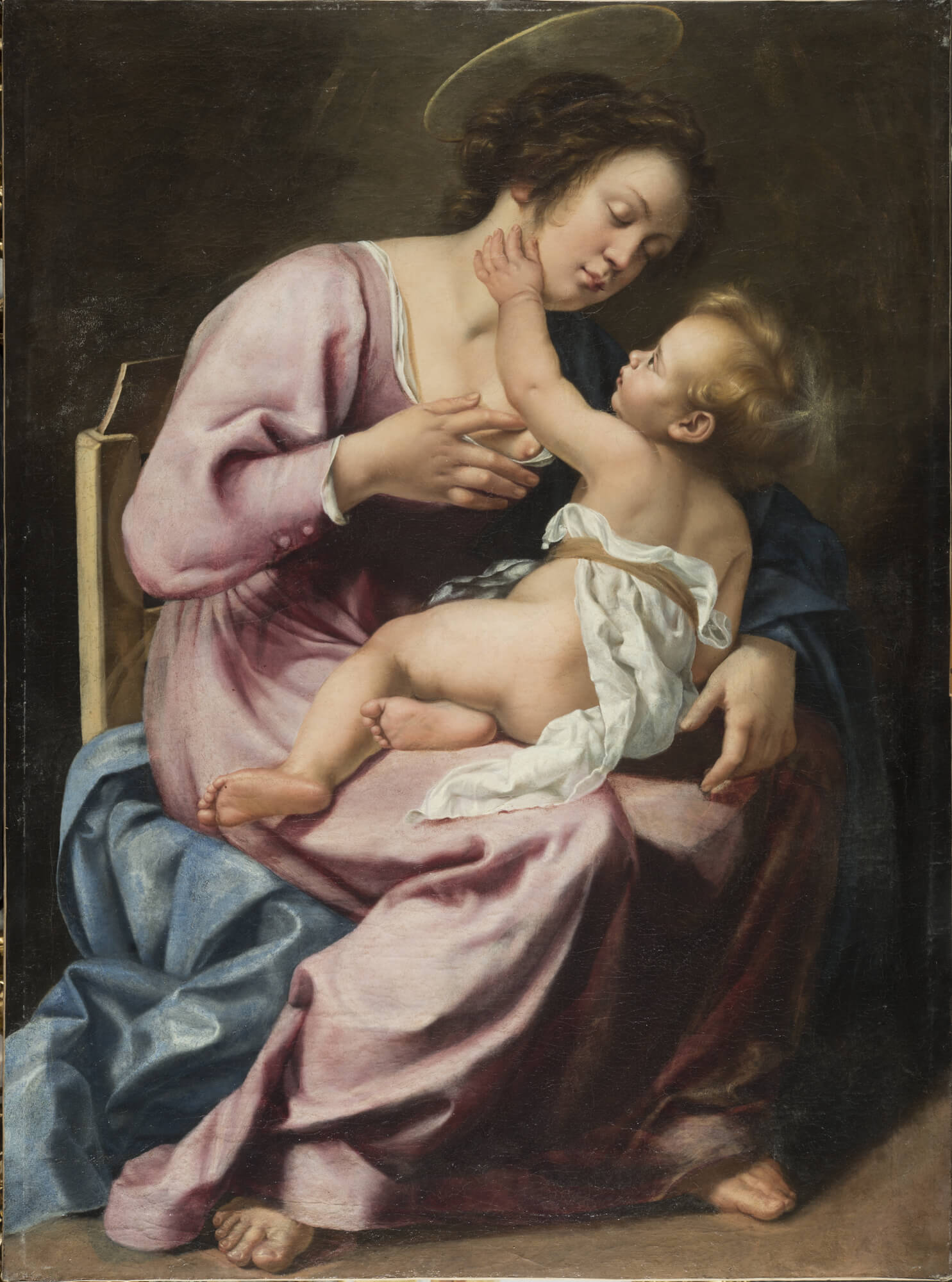
    • Visible light – Overall view

      Visible light – Overall view

      The painting in visible light prior to treatment, documenting the overall condition, surface wear, and tonal imbalance that affect the legibility of the composition.

    • Raking light / Reflectography

      Raking light / Reflectography

      Reflectographic imaging highlighting variations in surface texture and underlying preparatory layers, contributing to the study of the artist’s working process.

    • Reflectography – Comparative phase

      Reflectographic analysis revealing compositional development and changes beneath the painted surface, offering insight into the evolution of the image.

    • X-radiography – Detail A

      X-radiography – Detail A

      X-radiographic detail focusing on the figures’ interaction, exposing structural elements, paint density variations, and adjustments invisible to the naked eye.

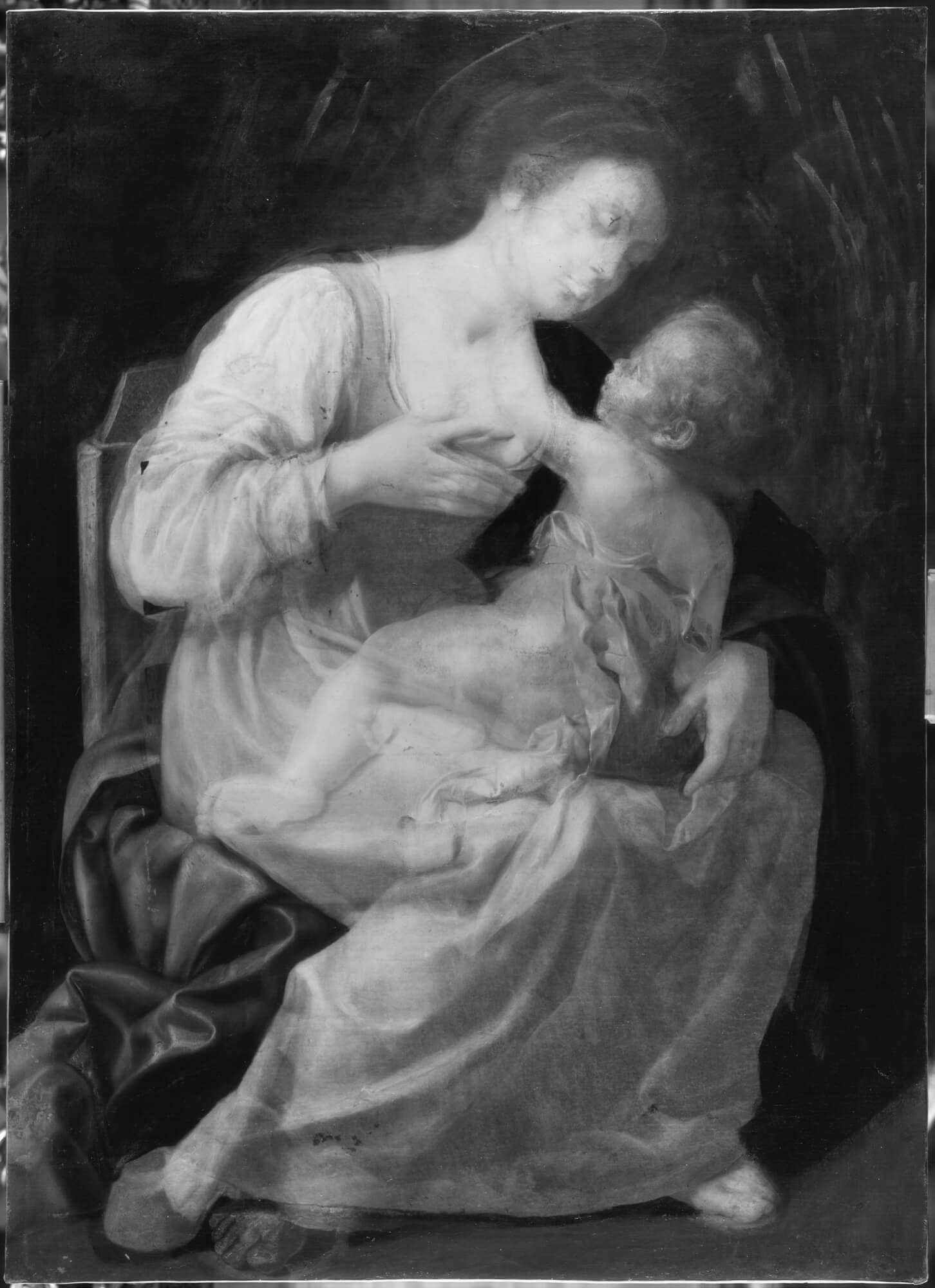
    • X-radiography – Full image

      Full X-radiographic image of the painting, revealing the internal structure of the canvas, the stratigraphy of paint layers, and evidence of revisions in the composition.

    • Near-infrared (RBN)

      Near-infrared (RBN)

      Near-infrared imaging used to examine underdrawing and early compositional planning, aiding in the distinction between original execution and later interventions.

    RELATED ART IN NEED

    RELATED EVENTS

    RELATED NEWS


    Latest NEWS

    Continue reading

    Artemisia Gentileschi’s Sinite Parvulos, Rome


    • WHAT

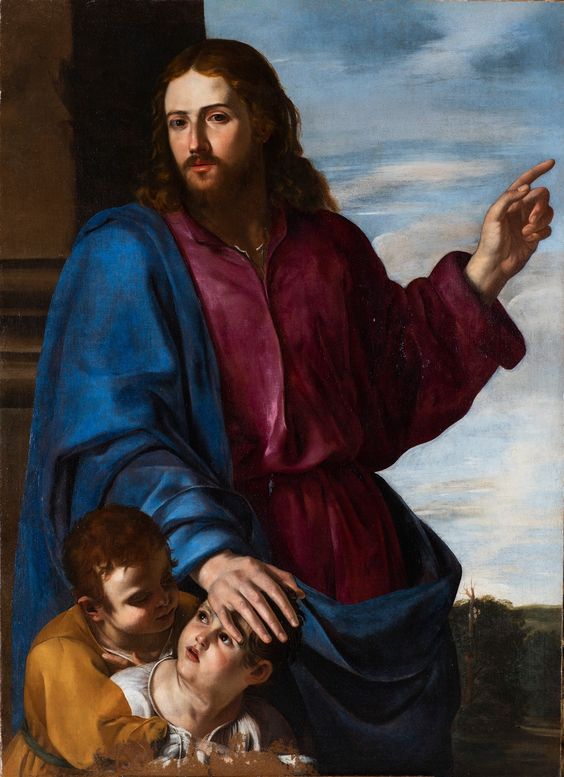
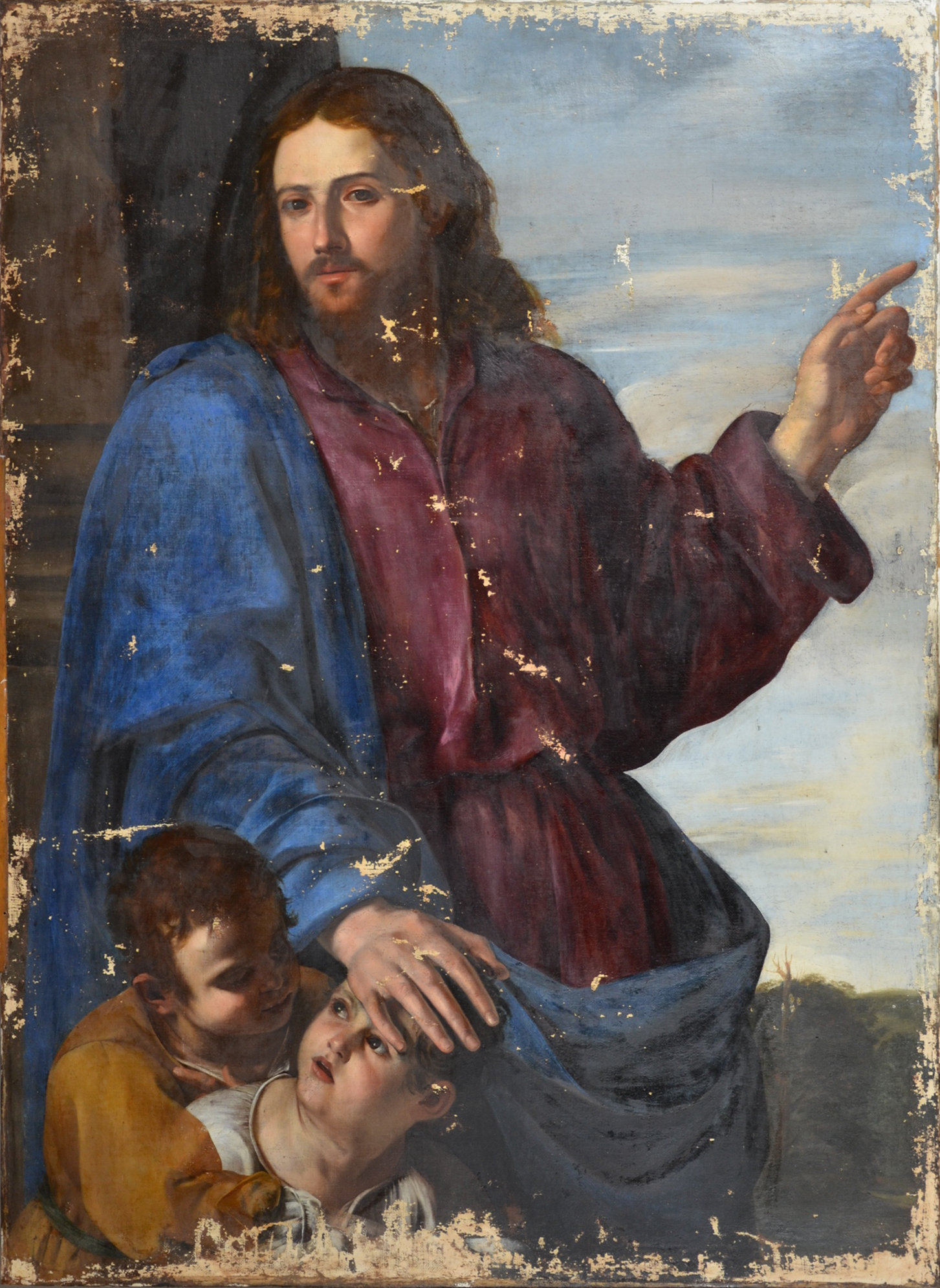
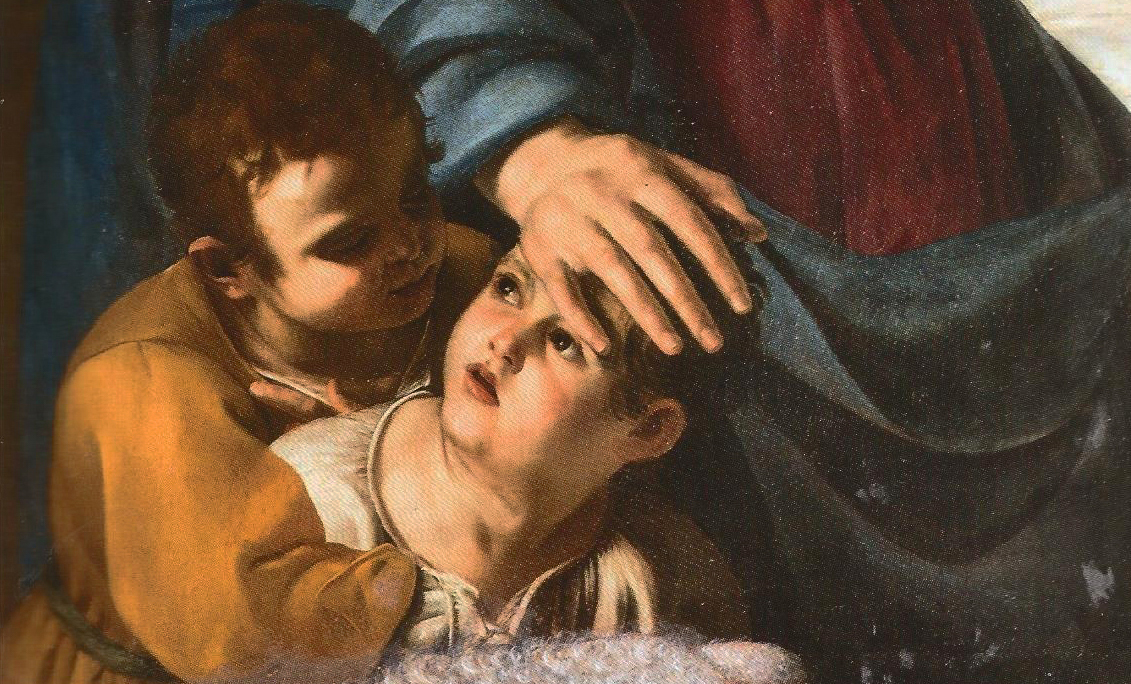
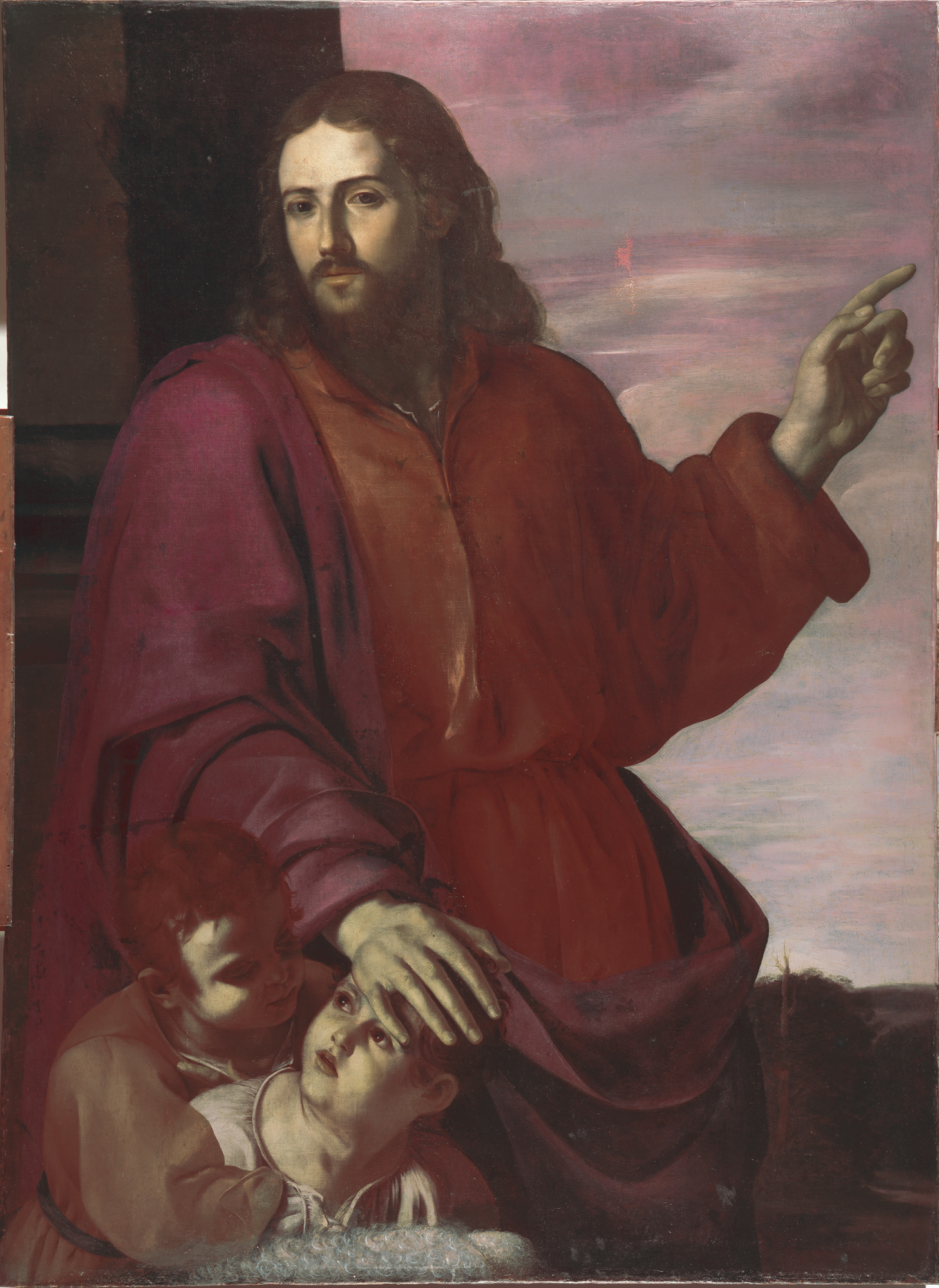
      This project centered on the restoration of Sinite Parvulos (Let the Children Come to Me) by Artemisia Gentileschi, one of the artist’s most remarkable works, rediscovered only in recent decades after centuries of oblivion. The painting, dated 1626, was originally commissioned as part of the Apostolato (Apostleship) cycle ordered by the Duke of Alcalà in 1625 from some of the “most illustrious painters to be found in Italy in that year.” The subject—Christ welcoming children—is a rarely depicted Gospel episode and demonstrates Artemisia’s originality and narrative sensitivity.

      The restoration was conceived in 2019 by Elda Nerina Mariotti after a visit to the Church of San Carlo al Corso in Rome, where the painting is housed. During a visit on Valentine’s Day 2019, Mariotti and Jane Adams recognized the painting’s urgent need for conservation and made a joint promise to restore it and to bring its story back to light—not only through direct intervention on its material condition, but also through the most advanced scientific analysis available.

      For both women, the project became a deeply personal quest. During her illness, Mariotti found strength and hope in the restoration, feeling a profound and almost magical connection with Artemisia Gentileschi, whom she believed was guiding the unfolding events. In the words of her brother, Chris Mariotti: “This is not just a painting to restore, this will be an inspirational story for generations to come.” The project was ultimately realized in her memory.

      Jane Adams directed the restoration and coordinated the entire team involved in the Rome project. Her engagement with Artemisia Gentileschi’s work began earlier, through the restoration of David and Bathsheba at the Uffizi Galleries, funded by Jane Fortune. Inspired by Fortune’s mission to rediscover and restore art by women, Adams embraced and extended that legacy by working on several restoration projects, including Suor Plautilla Nelli’s monumental Last Supper, unveiled in 2019 and now permanently exhibited at the Museum of Santa Maria Novella in Florence.

      During the Nelli project, Adams met Mark Smith, President of Private Italy Tours, a lecturer on the art of the Italian Renaissance and the Dutch Golden Age, and a major donor to the restoration. Through Adams, Smith developed a deep interest in women artists, particularly Artemisia Gentileschi. When Sinite Parvulos was identified for restoration, Smith immediately agreed to fund the project. He has spoken of his admiration not only for Artemisia’s resilience, but for her devotion to her artistic practice and her engagement with the work of other artists, stating that her legacy is one that carries responsibility and must be preserved with care for future generations.

      The restoration was privately funded by Adams and Smith and carried out under the supervision of the Soprintendenza Speciale di Roma, directed by Daniela Porro. A highly experienced team of restorers, technical art historians, and conservation scientists collaborated from the outset. The conservation treatment was executed by CBC Coop – Conservazione e Restauro dei Beni Culturali (Matteo Rossi Doria, Caterina Barnaba, Alice Tognoni). Before and during the intervention, an extensive diagnostic campaign—including multispectral imaging, X-radiography, and chemical analysis—was conducted by Emmebi Diagnostica Artistica (M. Beatrice De Ruggieri, Marco Cardinali, Matteo Positano). Giulio Frizzi also played a key role by creating a comprehensive photographic and video digital record of the restoration process.

      The project extended beyond conservation to public engagement and cultural programming. Among the related events in 2021 was a concert organized by the Association Europa in Canto on 11 September at the Roman Theatre of Ostia Antica, in collaboration with Carano4Children. The association’s 2021 competitions and benefit events were inspired by Artemisia Gentileschi and the restored painting.

    • WHEN

      Project conceived: 2019
      Restoration completed: September 2021
      Private unveiling and reception in the Sacristy of the Church of San Carlo al Corso: September 2021

    • WHERE

      Location: Church of San Carlo al Corso (Saint Ambrogio and Carlo al Corso), Rome

      Property: Arciconfraternita dei Santi Ambrogio e Carlo, Rome
    • PROJECT INCLUDES:

      • Full conservation and restoration of the painting
      • Scientific diagnostic campaign, including:
        • Multispectral imaging
        • X-radiography
        • Chemical analysis
      • Creation of a complete photographic and video digital record of the restoration
      • Supervision by the Soprintendenza Speciale di Roma
      • Collaboration among restorers, conservation scientists, and technical art historians
      • Public and cultural outreach events related to the restoration, including:
        • A concert at the Roman Theatre of Ostia Antica (11 September 2021), organized by Europa in Canto in collaboration with Carano4Children
      • Restoration Team & Contributors
        • Restoration: CBC Coop – Conservazione e Restauro dei Beni Culturali (Matteo Rossi Doria, Caterina Barnaba, Alice Tognoni)
        • Diagnostics: Emmebi Diagnostica Artistica (M. Beatrice De Ruggieri, Marco Cardinali, Matteo Positano)
        • Digital documentation: Giulio Frizzi (photography and video documentation)
    • INFO

      • Artist: Artemisia Gentileschi
      • Title: Sinite Parvulos 
      • Date: 1626 Technique: Oil on canvas
      • Dimensions: 134.6 × 97.7 cm
      • Subject: Gospel episode of Christ welcoming children
      • Property: Arciconfraternita dei Santi Ambrogio e Carlo, Rome
      • Supervision: Soprintendenza Speciale di Roma
      • Sponsorship: Jane Adams and Mark Gordon Smith

    • Artemisia Gentileschi Sinite Parvulos Artemisia Gold Before restoration – Overall view

      Before restoration – Overall view

      The painting before conservation treatment, showing extensive surface wear, paint losses, and altered chromatic balance that obscure the original composition and emotional clarity.

    • Artemisia Gentileschi Sinite Parvulos Artemisia Gold Before restoration – Overall view

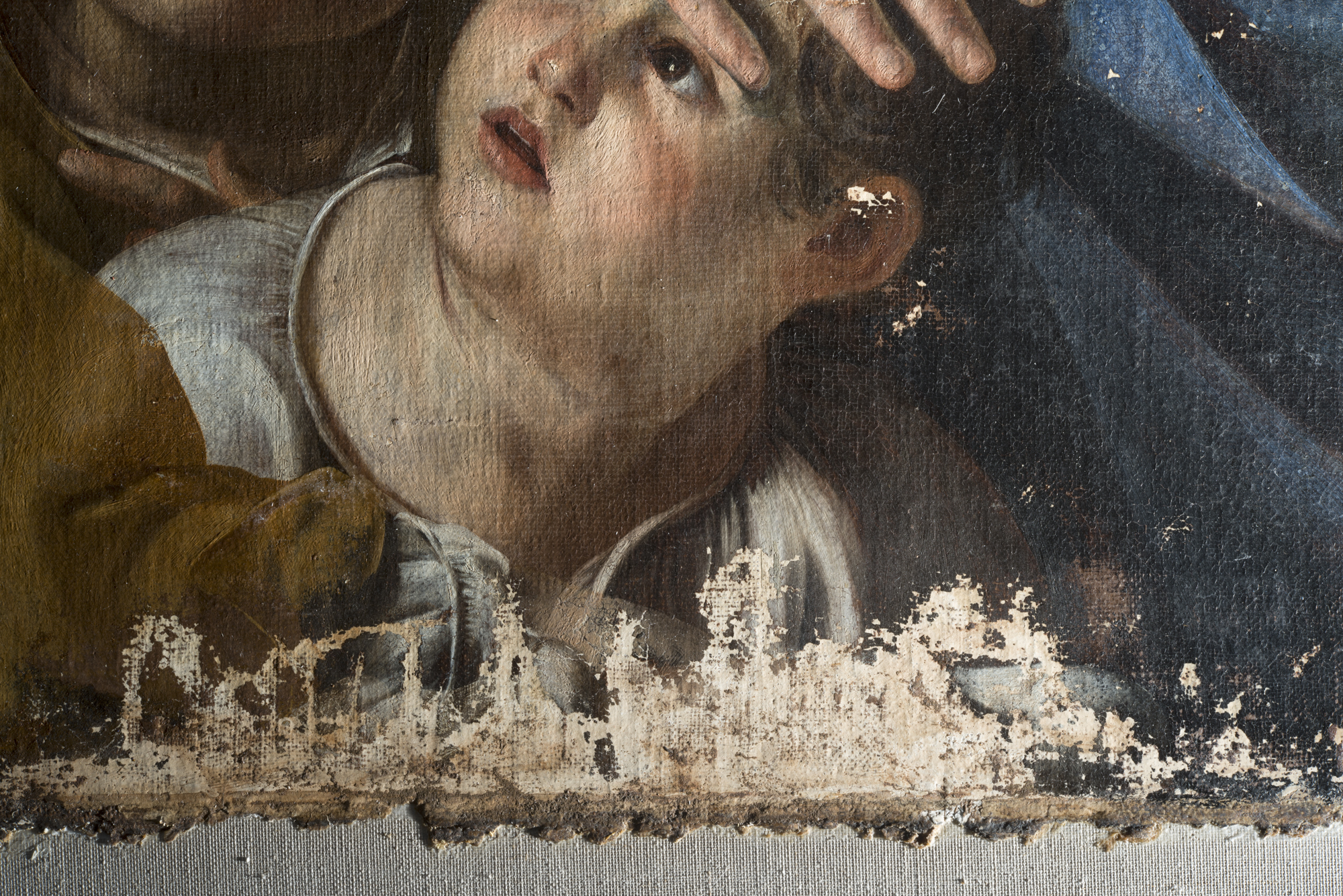
      Detail – Children’s faces

      Detail of the lower section of the painting before restoration, highlighting abrasion, surface deposits, and areas of paint loss affecting the faces and expressions of the children.

    • Infrared – False color imaging

      Infrared false-color imaging used to differentiate original pigments from later retouching and to study the artist’s materials and execution beneath the visible surface.

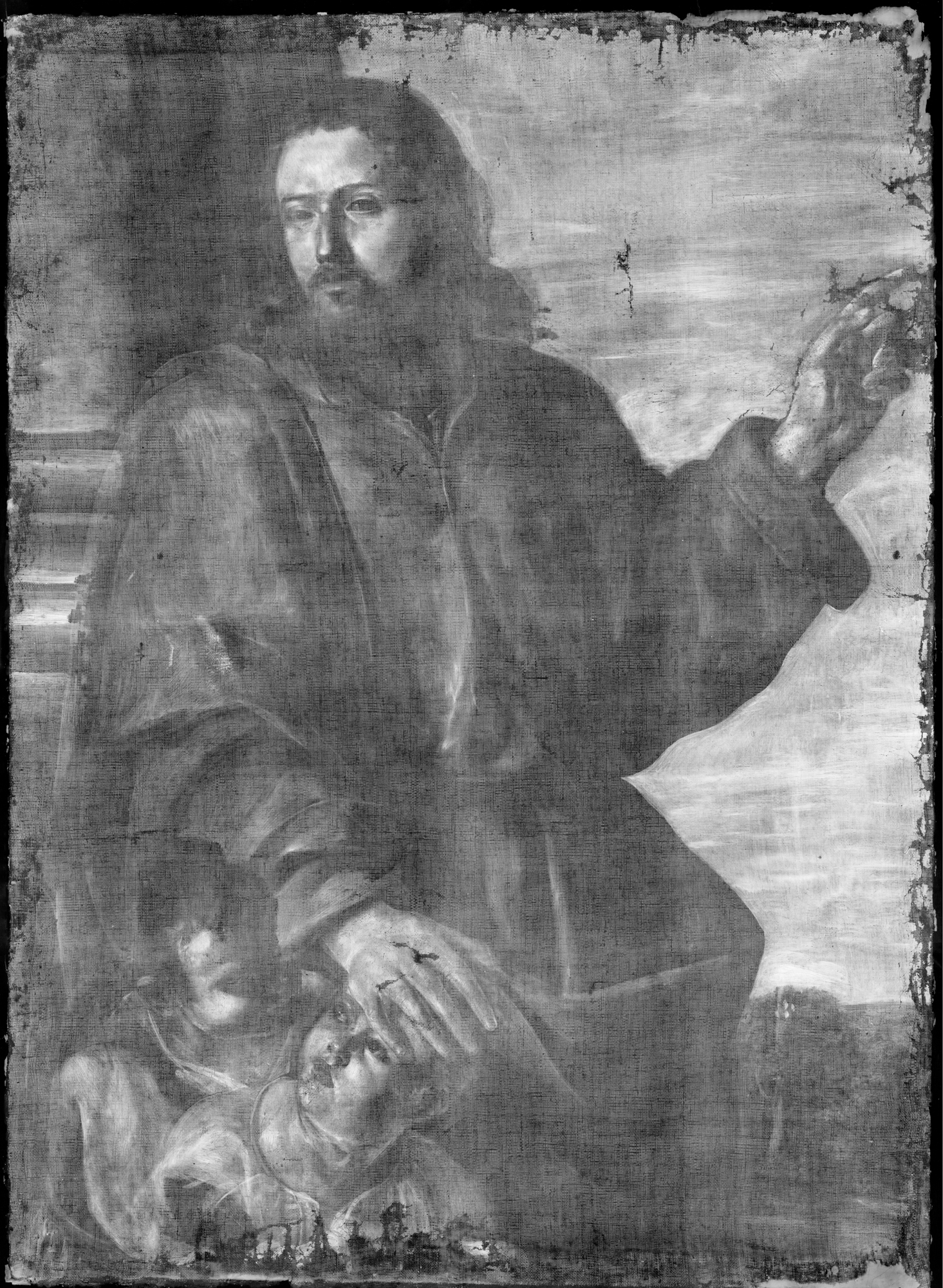
    • X-radiography – Full composition

      X-radiography – Full composition

      X-radiographic image of the painting, revealing the internal structure of the canvas, underlying paint layers, and compositional adjustments not visible to the naked eye.

    • Raking light (Radente) detail

      Raking light examination revealing surface irregularities, canvas deformation, and raised paint layers, providing crucial insight into the physical condition of the artwork.

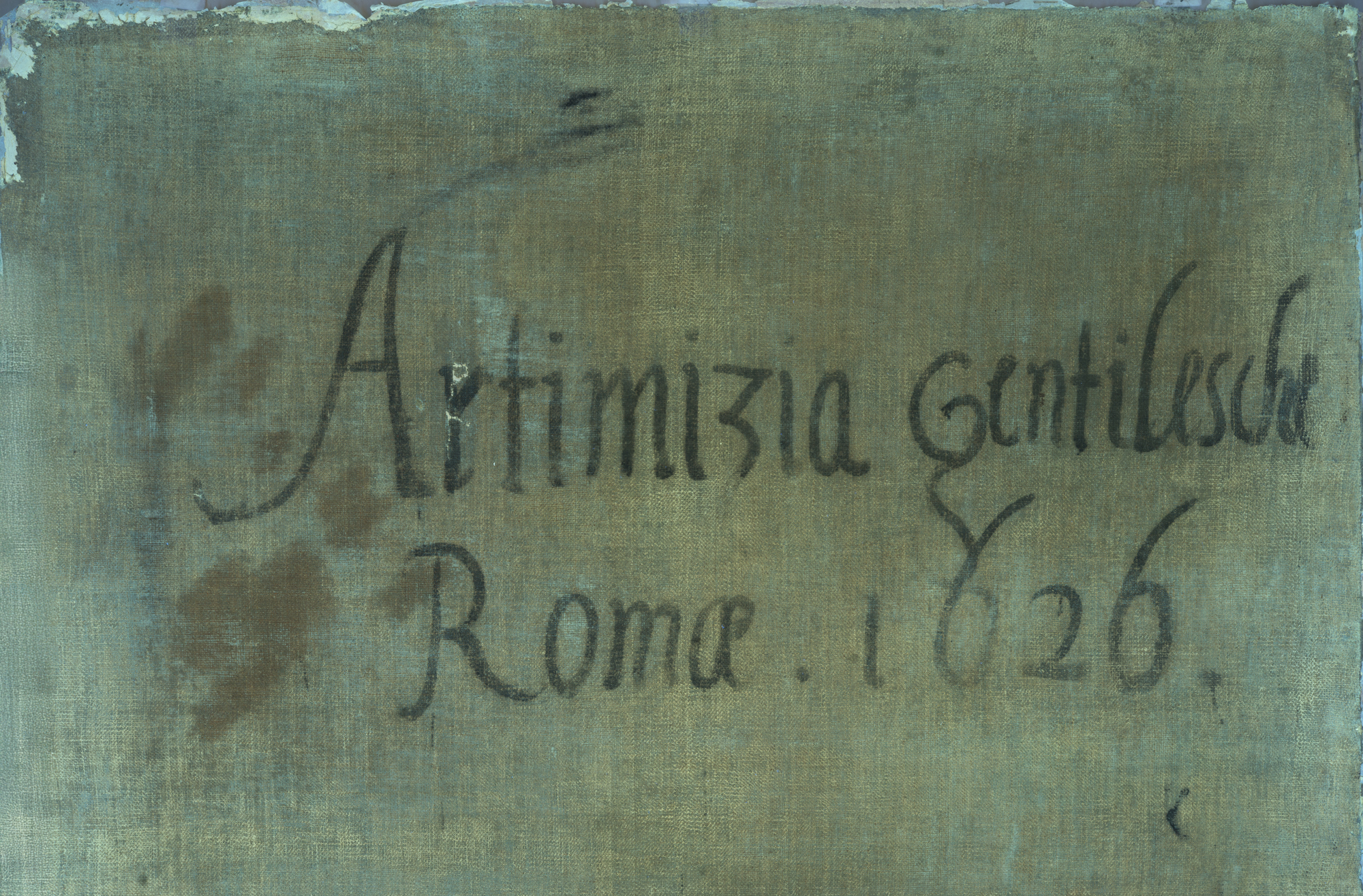
    • Ultraviolet (UV) – Reverse of the canvas

      Ultraviolet fluorescence imaging of the reverse of the canvas, revealing the historic inscription and signature “Artemisia Gentileschi, Roma 1626”, alongside evidence of aged materials and earlier structural interventions.

    RELATED ART IN NEED

    RELATED EVENTS

    RELATED NEWS


    Latest NEWS

    Continue reading